Wetsuit Guide for Water Temperature: An Overview

Navigating wetsuit selection requires understanding water temperature correlations with appropriate thicknesses‚ ensuring optimal thermal protection and comfort for diverse aquatic activities․
This comprehensive guide details wetsuit recommendations based on varying water temperatures‚ covering full suits‚ spring suits‚ and layering options for peak performance․
From warm-water spring suits to extreme cold-water layering systems‚ we’ll explore how to choose the ideal wetsuit for your next adventure‚ maximizing enjoyment․
Understanding Wetsuit Basics
Wetsuits aren’t about keeping you dry; they function by trapping a thin layer of water between your skin and the suit’s neoprene material․ Your body heats this water‚ creating a warm insulating layer․ Understanding this principle is crucial when selecting the right wetsuit for the prevailing water temperature․
Wetsuits come in various thicknesses‚ typically measured in millimeters (e․g․‚ 3/2mm‚ 4/3mm‚ 5/4mm)․ These numbers indicate the neoprene thickness in different body areas – the first number representing the torso‚ and the second‚ the limbs․ Thicker neoprene provides greater insulation‚ essential for colder waters․
Beyond thickness‚ consider the wetsuit’s construction․ Features like sealed seams (glued and blind-stitched or taped) minimize water flushing‚ enhancing warmth․ The type of neoprene also matters; higher-quality neoprene offers better flexibility and insulation․ Knowing these basics empowers you to make an informed decision‚ ensuring a comfortable and safe experience in the water․
What is Neoprene?
Neoprene is a synthetic rubber material‚ the cornerstone of nearly all modern wetsuits․ Created through polymerization of chloroprene‚ it possesses exceptional thermal insulation properties due to its cellular structure – millions of tiny‚ gas-filled bubbles․ These closed-cell bubbles trap water‚ which your body then warms‚ creating a protective barrier against the cold․
The flexibility of neoprene is also key‚ allowing for a reasonable range of motion while in the water․ Different neoprene formulations exist‚ impacting stretch‚ durability‚ and warmth․ Limestone neoprene is considered more eco-friendly than petroleum-based options․
Neoprene’s thickness‚ measured in millimeters‚ directly correlates to its insulating capability․ Higher-quality neoprene often features better stretch and a softer feel‚ enhancing comfort and performance․ Understanding neoprene’s properties is fundamental to selecting a wetsuit that balances warmth‚ flexibility‚ and environmental considerations․
How Wetsuits Work: Trapping and Warming
Wetsuits don’t actually keep you dry; instead‚ they function by allowing a thin layer of water to enter between your skin and the suit․ This water is then warmed by your body heat‚ creating a thermal barrier against the colder surrounding water․ The neoprene’s closed-cell structure minimizes water flow‚ retaining the warmed layer for sustained insulation․
The effectiveness of this process relies on a snug fit․ A loose wetsuit allows excessive water circulation‚ diminishing its warming capabilities․ Seams also play a crucial role; well-sealed seams prevent significant water flushing․
As your body warms the trapped water‚ the neoprene itself doesn’t significantly absorb heat․ It’s the warmed water layer that provides the primary insulation․ This principle explains why wetsuits are more effective with prolonged use – the longer you’re in the water‚ the warmer the trapped layer becomes․
Water Temperature and Wetsuit Thickness
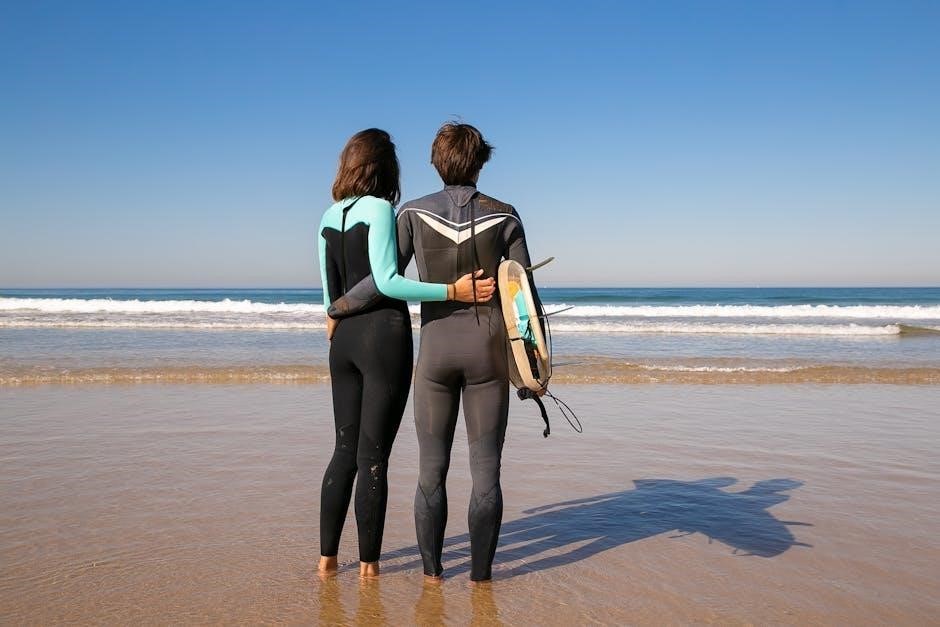
Selecting the correct wetsuit thickness is vital for comfort and safety‚ directly correlating with water temperature to maintain optimal body heat and extend your time in the water․
18°C ⎼ 23°C (64°F ⎼ 73°F): Spring Suits & Jackets
Within this comfortably warm temperature range‚ spring suits and wetsuit jackets are ideal choices‚ offering a balance between thermal protection and freedom of movement․
Spring suits‚ also known as shorty wetsuits‚ typically feature short sleeves and short legs‚ providing core warmth while allowing greater flexibility for activities like surfing or warm-water swimming․
Alternatively‚ a wetsuit jacket paired with boardshorts or a rash guard offers a versatile layering system‚ adaptable to changing conditions․
Wetsuits in the 0․5mm to 2mm thickness range are generally sufficient for these temperatures‚ providing adequate insulation without causing overheating;
Consider your activity level and personal cold tolerance when selecting the appropriate thickness; more active individuals may prefer a thinner suit for enhanced mobility․
These options are perfect for summer days and provide enough protection against mild chills while maximizing comfort and performance in the water․
0․5mm to 2mm Wetsuits: Ideal Conditions
Wetsuits ranging from 0․5mm to 2mm in thickness are perfectly suited for warm water conditions‚ typically found in tropical or subtropical regions during summer months․
These thinner wetsuits prioritize flexibility and comfort‚ minimizing restriction during activities like surfing‚ paddleboarding‚ or snorkeling in balmy waters․
Ideal conditions for these wetsuits include water temperatures consistently above 21°C (70°F)‚ where significant thermal insulation isn’t required‚ but a layer of protection is still desired․
They offer a safeguard against minor stings‚ abrasions‚ and prolonged sun exposure‚ enhancing overall comfort and enjoyment․
These suits are also excellent for layering under thicker wetsuits in colder conditions‚ adding an extra degree of warmth when needed․
Consider these options when prioritizing agility and freedom of movement in warm water environments‚ ensuring a comfortable and enjoyable aquatic experience․
15°C ⸺ 18°C (59°F ⎼ 64°F): 3/2mm Fullsuits
When water temperatures fall between 15°C ⎼ 18°C (59°F ⎼ 64°F)‚ a 3/2mm fullsuit emerges as the optimal choice for maintaining warmth and comfort during water activities․
This thickness provides a balanced combination of thermal protection and flexibility‚ suitable for a wide range of sports‚ including surfing‚ kayaking‚ and diving in temperate climates․
The 3mm neoprene panels offer substantial insulation for the core body‚ while the 2mm panels on the arms and legs allow for greater freedom of movement and dexterity․
Fullsuits provide complete coverage‚ minimizing heat loss and protecting against potential abrasions or marine life encounters․
These suits are versatile enough for spring and fall conditions‚ offering reliable warmth without excessive bulk․
Selecting a 3/2mm fullsuit ensures a comfortable and enjoyable experience in cooler waters‚ extending your time in the ocean or lake․
Choosing the Right 3/2mm Wetsuit
Selecting the ideal 3/2mm wetsuit involves considering several key features to ensure optimal fit‚ comfort‚ and performance․ Prioritize a suit with flatlock seams for enhanced durability and flexibility‚ crucial for active watersports․
Look for GBS (glued and blind stitched) construction for improved water resistance and thermal retention‚ minimizing flushing and keeping you warmer for longer․
Neoprene quality is paramount; premium neoprene offers superior insulation and stretch‚ enhancing comfort and range of motion․
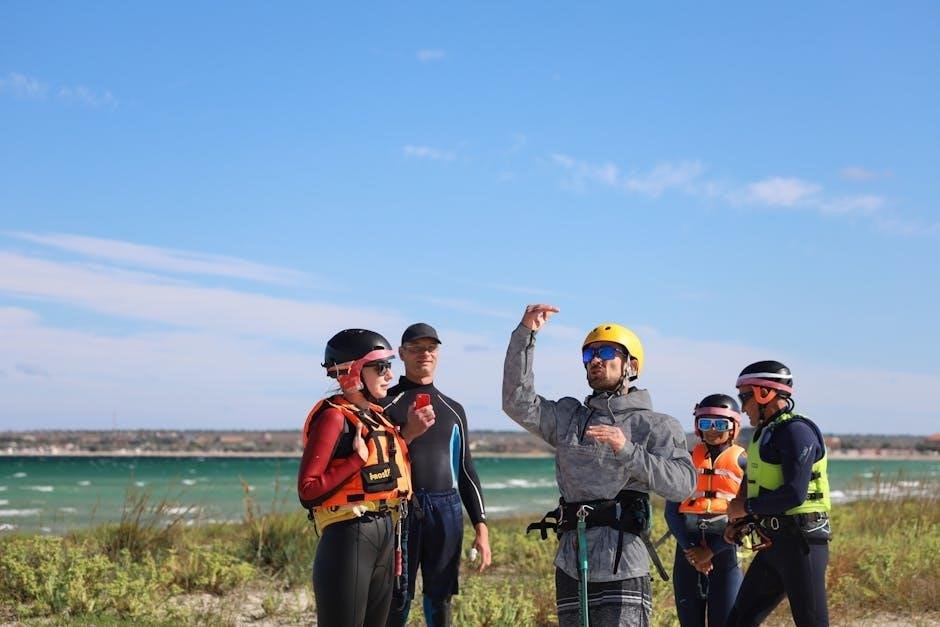
Consider the entry system – back-zip‚ chest-zip‚ or front-zip – based on your preference and ease of use․
Ensure a snug‚ but not restrictive‚ fit; the wetsuit should adhere closely to your body without hindering movement․
Proper sizing is critical; consult the manufacturer’s size chart and measure accurately to avoid discomfort or reduced thermal protection․
A well-chosen 3/2mm wetsuit will provide a comfortable and effective barrier against the cold‚ maximizing your enjoyment in the water․
12°C ⎼ 15°C (54°F ⸺ 59°F): 4/3mm Fullsuits
When water temperatures fall between 12°C and 15°C (54°F ⎼ 59°F)‚ a 4/3mm fullsuit becomes the optimal choice for maintaining comfortable body temperature during extended water exposure․
The 4mm neoprene panels‚ typically placed in the core‚ provide crucial insulation against the cold‚ while the 3mm panels offer flexibility in areas requiring greater range of motion․
Look for suits featuring thermal linings‚ such as fleece or smoothskin‚ to enhance warmth and reduce wind chill․
Seam construction is vital; prioritize GBS (glued and blind stitched) seams or even taped seams for superior water resistance and minimized flushing․
Consider a suit with a built-in hood or the option to add a separate hood for increased thermal protection in colder conditions․
A properly fitted 4/3mm fullsuit will allow you to comfortably enjoy watersports for longer durations‚ even in challenging temperatures․
Don’t underestimate the importance of accessories like gloves and boots to complete your thermal protection system․
4/3mm Wetsuit Features for Cold Water
A 4/3mm wetsuit excels in cooler waters‚ but specific features significantly enhance its performance and warmth․ Prioritize suits with thermal linings like fleece‚ strategically placed in the torso‚ to trap heat and minimize heat loss․
Seam construction is critical; GBS (glued and blind stitched) seams are a minimum‚ but taped seams offer superior water resistance‚ preventing cold flushing․
Look for a water-based glue used in construction‚ as it’s more flexible and durable than solvent-based options․
A back zip entry with a thick thermal barrier helps prevent water intrusion‚ while a chest zip offers a tighter seal but may restrict movement․
Reinforced knees provide durability and protection against abrasion․
Consider a suit with integrated wrist and ankle seals to minimize flushing․
External taping on stress points further enhances durability and water resistance․ These features combine to create a warmer‚ more comfortable‚ and longer-lasting wetsuit experience․
Below 12°C (54°F): 5/4mm or 6/5mm Fullsuits
When water temperatures plummet below 12°C (54°F)‚ a 5/4mm or even a 6/5mm fullsuit becomes essential for prolonged exposure and maintaining core body temperature․ These thicker suits provide significantly increased insulation against the cold․
Prioritize suits with premium neoprene‚ like Superstretch or UltraFlex‚ for enhanced flexibility despite the increased thickness․ Thermal linings‚ covering the entire suit interior‚ are crucial for trapping body heat․
Seam construction must be top-tier; fully taped and glued seams are non-negotiable to prevent cold water flushing․
Consider a suit with a hood‚ gloves‚ and boots to protect extremities‚ which are most susceptible to cold․
External taping on key stress points adds durability and minimizes water entry․
Layering a thin thermal rash guard underneath can further enhance warmth․ These suits are designed for serious cold-water performance and protection․
Layering for Extreme Cold
When facing truly frigid conditions‚ even a 6/5mm wetsuit may not be enough; layering becomes paramount for extended comfort and safety․ Begin with a thermal rash guard providing a base layer of warmth‚ wicking away moisture to prevent chilling․
Add a neoprene vest or jacket under your wetsuit for an extra layer of insulation‚ focusing on the core․ Consider a hooded vest for increased head and neck protection․
Essential accessories include 5mm or 7mm neoprene hoods‚ gloves‚ and boots – these protect extremities where heat loss is significant․
Layering materials should be quick-drying and avoid cotton‚ which retains water and reduces insulation․
Ensure your wetsuit still fits comfortably with the added layers‚ allowing for freedom of movement․
Proper layering maximizes warmth‚ extending your time in the water during the coldest conditions‚ but always prioritize safety and awareness of your body’s limits․
Wetsuit Types & Styles
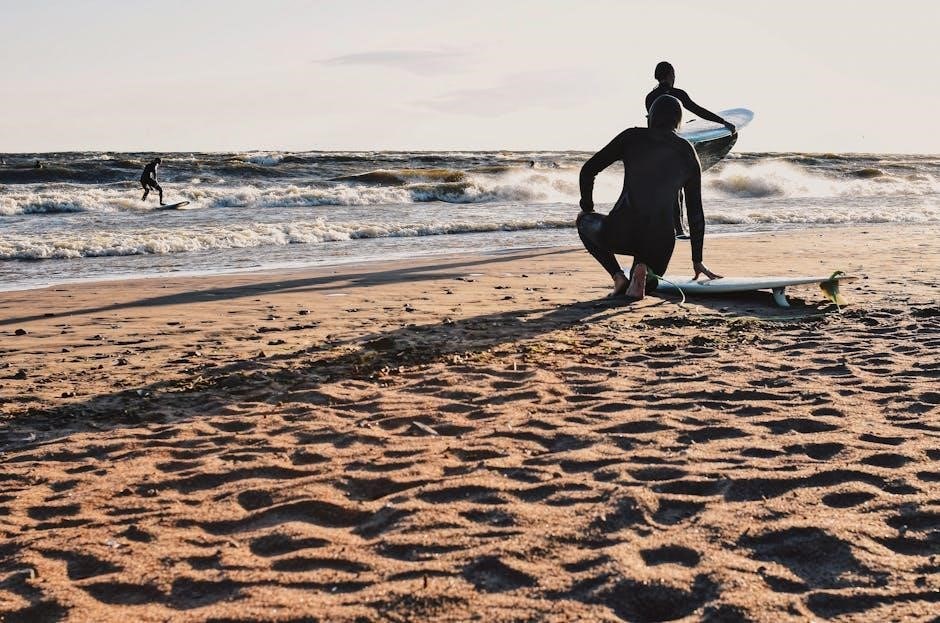
Wetsuits come in diverse styles—full suits for maximum coverage‚ spring suits for warmer waters‚ and versatile jackets for adaptable layering based on conditions․
Full Wetsuits: Maximum Coverage
Full wetsuits provide complete thermal protection‚ covering the entire body from neck to ankles and wrists․ This style is ideal for colder water temperatures‚ typically below 18°C (64°F)‚ where maximizing warmth is crucial for extended periods in the water․
They are a popular choice for surfing‚ diving‚ and various watersports during cooler seasons․ Fullsuits are constructed from neoprene‚ with varying thicknesses – 3/2mm‚ 4/3mm‚ or 5/4mm – indicating the neoprene’s thickness in millimeters․ A 4/3mm suit‚ for example‚ has 4mm thick neoprene in the torso and 3mm in the limbs‚ offering a balance of warmth and flexibility․
Features like sealed seams (flatlock‚ glued and blind-stitched‚ or taped) significantly impact water entry and thermal retention․ Higher-end fullsuits often incorporate features like thermal linings and strategically placed neoprene thicknesses to enhance warmth and performance․ Choosing the right fullsuit depends on the specific water temperature and the intensity of the activity․
Spring Suits (Shorty Wetsuits): Warm Water Options
Spring suits‚ also known as shorty wetsuits‚ are designed for warmer water conditions‚ generally between 18°C and 23°C (64°F ⎼ 73°F)․ They offer less coverage than full wetsuits‚ typically featuring short sleeves and short legs‚ leaving the arms and legs partially exposed․
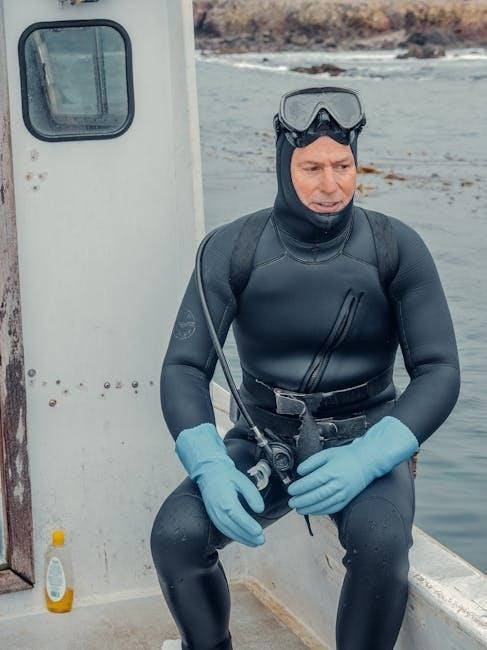
This design prioritizes flexibility and freedom of movement‚ making them ideal for activities like surfing‚ paddleboarding‚ and swimming in milder temperatures․ Spring suits are commonly constructed from thinner neoprene‚ ranging from 0․5mm to 2mm‚ providing sufficient insulation without overheating․
They are a great option for those who want some thermal protection but don’t require the full coverage of a fullsuit․ The reduced neoprene also makes spring suits more affordable and easier to put on and take off․ Consider a spring suit when comfort and agility are paramount in warmer waters․
Wetsuit Jackets: Versatile Layering
Wetsuit jackets represent a highly versatile layering option‚ extending the usability of your existing wetsuit or providing standalone warmth in milder conditions․ Typically constructed from 2mm to 3mm neoprene‚ these jackets offer core body warmth without restricting arm movement․
They are particularly useful for transitioning between seasons or for activities where only the torso requires significant insulation․ Wetsuit jackets can be worn over a spring suit for added warmth‚ or paired with wetsuit pants for a customizable thermal solution․
Their adaptability makes them a valuable addition to any water sports enthusiast’s gear collection․ They are also a cost-effective way to adjust your wetsuit’s warmth level without investing in a completely new suit․ Consider a wetsuit jacket for adaptable comfort and extended water time․
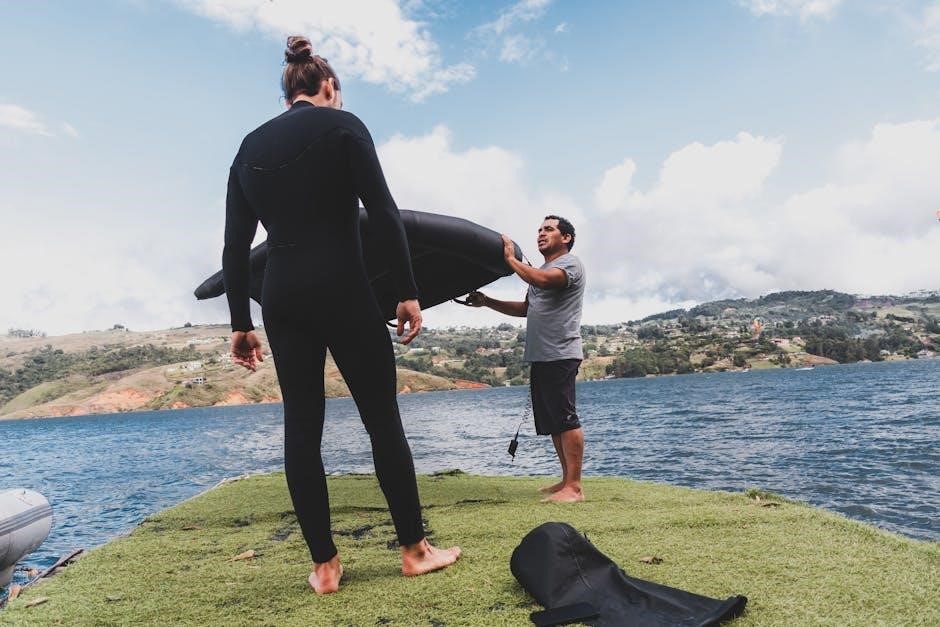
Wetsuit Components & Accessories
Enhance your wetsuit experience with essential accessories like boots‚ gloves‚ and hoods for complete thermal protection in colder waters‚ maximizing comfort and extending sessions․
Wetsuit Boots‚ Gloves & Hoods
When water temperatures drop‚ extending your thermal protection beyond the wetsuit itself becomes crucial․ Wetsuit boots‚ gloves‚ and hoods are essential accessories for maintaining comfort and preventing heat loss during prolonged exposure to cold water․
Wetsuit boots come in various thicknesses‚ mirroring wetsuit neoprene – 3mm‚ 5mm‚ and even 7mm for frigid conditions․ Consider the type of activity; surfing demands flexibility‚ while fishing may prioritize warmth and durability․ Gloves protect your hands from numbness and maintain dexterity‚ available in round-hand or lobster-style configurations․
Hoods are vital for preventing heat loss through the head‚ a significant area of thermal regulation․ Options range from standard hooded vests to full-coverage hoods with face protection․ Matching the thickness of your boots‚ gloves‚ and hood to your wetsuit ensures consistent insulation․ Investing in quality accessories significantly extends your usable time in the water‚ enhancing your overall experience and safety․
Rash Guards: Additional Protection
Rash guards‚ though seemingly simple‚ play a surprisingly significant role in optimizing your wetsuit experience and overall water comfort․ Primarily designed to prevent chafing from wetsuit seams and surfboards‚ rash guards offer a layer of defense against irritation and sunburn․
Beyond abrasion protection‚ rash guards provide a subtle layer of warmth‚ particularly beneficial in warmer water temperatures where a full wetsuit might be overkill․ They also enhance wetsuit entry and exit‚ reducing friction and making the process smoother․ Available in short-sleeve and long-sleeve options‚ consider the level of sun exposure and desired warmth․
Modern rash guards often incorporate UV protection‚ adding another layer of defense against harmful sun rays․ Choosing a rash guard that complements your wetsuit – both in terms of fit and thermal properties – can significantly improve your comfort and performance in the water‚ extending your sessions and maximizing enjoyment․

Wetsuits for Specific Activities
Different watersports demand specialized wetsuit features; surfing prioritizes flexibility‚ fishing requires durability‚ and children’s suits emphasize comfort and safety․
Selecting a wetsuit tailored to your activity enhances performance and enjoyment in the water․
Surfing Wetsuits: Flexibility & Performance
Surfing demands a wetsuit that maximizes flexibility and range of motion‚ crucial for performing maneuvers effectively․ These wetsuits typically feature super-stretch neoprene‚ often blended with materials like Muriati or Yulex‚ allowing unrestricted paddling and turning․
Seam construction is also vital; flatlock seams offer durability‚ while glued and blind-stitched (GBS) seams provide a more watertight and comfortable fit‚ minimizing chafing during extended sessions․
Consider the water temperature when selecting a surfing wetsuit․ Warmer waters call for spring suits or 2/2mm fullsuits‚ while colder conditions necessitate 3/2mm‚ 4/3mm‚ or even 5/4mm fullsuits․ Features like thermal linings in the chest and back further enhance warmth․
Entry systems‚ such as back zips or chest zips‚ impact flexibility and water entry; chest zips generally offer a tighter seal but can restrict movement slightly․ Ultimately‚ the best surfing wetsuit balances warmth‚ flexibility‚ and comfort to optimize your performance in the waves․
Wetsuits for Fishing
Fishing often involves prolonged exposure to the elements‚ making a wetsuit a valuable asset for maintaining core body temperature and extending time on the water․ Unlike surfing‚ fishing wetsuits prioritize durability and protection over extreme flexibility‚ though comfort remains important․
Fullsuits are generally preferred for fishing‚ offering complete coverage and warmth‚ particularly in cooler climates․ Thicknesses of 3/2mm to 5/4mm are common‚ depending on the water temperature and fishing location․
Reinforced knees and elbows provide added abrasion resistance‚ crucial when working on boat decks or rocky shores․ Consider a wetsuit with strategically placed pockets for storing essential tackle like fishing line‚ hooks‚ and weights․
Layering with a waterproof jacket or vest can further enhance protection against wind and rain․ Don’t forget accessories like wetsuit boots‚ gloves‚ and a hood for complete thermal protection‚ ensuring a comfortable and productive fishing experience‚ regardless of the conditions․
Children’s Wetsuits: Considerations for Kids
Selecting a wetsuit for a child requires careful consideration‚ as their needs differ from adults․ Children lose heat faster than adults and may be more sensitive to cold water‚ necessitating appropriate thermal protection․
Prioritize a snug‚ but not restrictive‚ fit․ A loose wetsuit allows water to flush through‚ reducing its insulating properties․ Look for wetsuits specifically designed for children‚ featuring comfortable seams and flexible neoprene․
Fullsuits are generally recommended for children‚ providing maximum coverage and warmth․ Consider the water temperature and activity level when choosing the thickness – 2/3mm for warmer waters‚ and 3/4mm or thicker for colder conditions․
Features like flatlock seams minimize chafing‚ and a back zip with a pull cord is easier for kids to manage․ Ensure the wetsuit is easy to put on and take off‚ promoting independence and enjoyment during water activities․ Proper sizing is crucial for both comfort and safety․
Wetsuit Maintenance & Care
Proper wetsuit maintenance significantly extends its lifespan and preserves its thermal properties․ After each use‚ thoroughly rinse the wetsuit inside and out with fresh‚ cool water to remove salt‚ sand‚ chlorine‚ and other debris․
Avoid using harsh detergents or hot water‚ as these can damage the neoprene․ Instead‚ use a wetsuit-specific cleaner periodically to remove stubborn residue and restore flexibility․ Always turn the wetsuit inside out to clean it․
Dry the wetsuit in a shaded area‚ away from direct sunlight or heat‚ which can cause fading and degradation․ Hang it on a wide‚ sturdy hanger to prevent stretching․ Store the wetsuit flat or loosely rolled‚ avoiding sharp creases․
Inspect the wetsuit regularly for tears or damage and repair them promptly to prevent further deterioration․ Following these simple care guidelines will ensure your wetsuit remains in optimal condition for years of aquatic adventures․
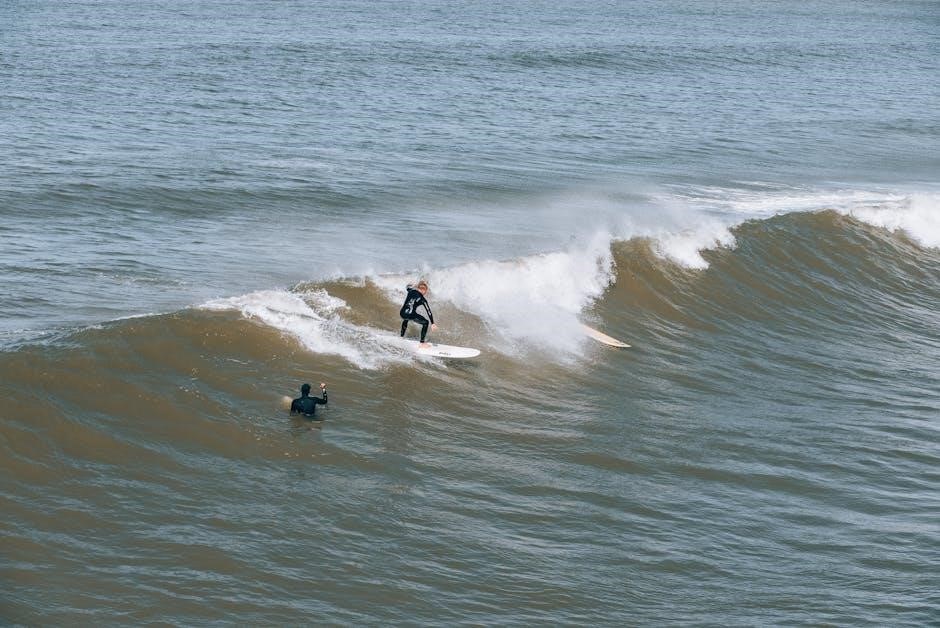
Finding the Right Fit
A proper wetsuit fit is crucial for warmth‚ comfort‚ and performance; utilize sizing guides and accurate measurements to ensure a snug‚ yet unrestricted‚ experience․
Sizing Guides & Measuring
Accurate measurements are paramount when selecting a wetsuit‚ as improper sizing compromises warmth and mobility․ Most manufacturers provide detailed sizing charts based on height‚ weight‚ and chest/waist measurements․
Begin by measuring your height and weight‚ then determine your chest and waist circumference using a flexible measuring tape․ Chest measurement should be taken at the fullest part‚ while the waist measurement should be at the natural waistline․
Compare your measurements to the manufacturer’s sizing chart to find your corresponding size․ Remember that wetsuit sizes can vary between brands‚ so always consult the specific chart for the wetsuit you are considering․
It’s generally recommended to choose a snug fit‚ as neoprene stretches with use․ A wetsuit that is too loose will allow water to flush through‚ reducing its insulating properties․ If you fall between sizes‚ it’s often best to size up for a more comfortable fit‚ especially if you plan to layer underneath․