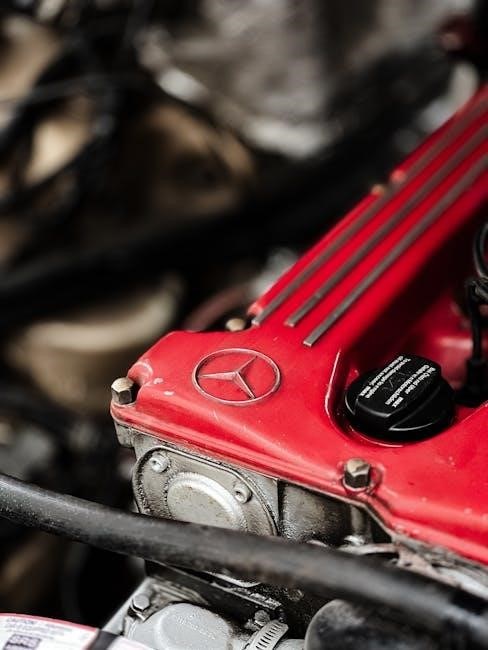
Choke systems‚ whether manual or electric‚ fundamentally enrich the air-fuel mixture for cold starts‚ aiding combustion until the engine reaches optimal temperature.
What is a Choke and Why is it Needed?
A choke is a valve within the carburetor‚ or intake system‚ that restricts airflow. This restriction creates a richer air-fuel mixture – more fuel relative to air – essential for starting cold engines. Cold engines struggle to vaporize fuel effectively; a richer mixture compensates for this‚ making the engine easier to ignite.
Without a choke‚ a cold engine may not start at all‚ or it may run very poorly‚ exhibiting stalling and rough idling. Both manual and electric chokes serve this core function‚ though their operation differs significantly. The need for a choke diminishes as the engine warms up‚ as increased engine temperature improves fuel vaporization‚ requiring a leaner mixture for optimal performance and efficiency.
Brief History of Choke Systems
Early internal combustion engines relied exclusively on manual choke systems. These were mechanically linked to a driver-operated control‚ requiring active adjustment based on engine temperature. Introduced alongside carburetors in the early 20th century‚ they were the standard for decades.
The advent of automotive electronics in the 1950s and 60s paved the way for electric chokes. These systems utilized a thermal sensor to automatically regulate choke operation‚ eliminating the need for manual intervention. Electric chokes gained prominence in the 1970s and 80s‚ coinciding with stricter emissions regulations and a demand for more convenient vehicle operation. Today‚ with the decline of carburetors and the rise of fuel injection‚ traditional choke systems are becoming less common‚ though still found in classic and some small engine applications.

Manual Choke Systems: A Detailed Look
Manual chokes offer direct driver control over the air-fuel mixture‚ a simple yet effective method for cold starting‚ unlike automated electric systems.
How a Manual Choke Works
A manual choke operates via a cable connected to a valve within the carburetor. When engaged‚ typically by a dashboard knob or lever‚ this valve restricts airflow into the engine. This restriction creates a richer air-fuel mixture – more fuel relative to air – essential for starting a cold engine.
Cold engines struggle to vaporize fuel effectively. The richer mixture compensates for this‚ providing a combustible blend. As the engine warms‚ the driver gradually disengages the choke‚ allowing more air to enter and leaning out the mixture to optimal levels. This contrasts sharply with electric chokes‚ which automate this process based on engine temperature sensors‚ removing the need for manual intervention.
Essentially‚ the manual choke is a direct‚ mechanical method of controlling carburetor enrichment‚ offering the driver precise control over the starting process.
Components of a Manual Choke
A typical manual choke assembly comprises several key parts. Firstly‚ the choke valve itself‚ situated within the carburetor’s air intake‚ physically restricts airflow. A choke shaft connects this valve to a choke plate. Secondly‚ a linkage system‚ including a cable and often a connecting rod‚ transmits the driver’s input from the control knob to the choke plate.
A spring provides resistance‚ returning the choke to the open position as the cable is released. Finally‚ a heat-sensitive coil‚ though not always present‚ can assist in gradual opening as the engine warms. This differs significantly from electric chokes‚ which utilize a heating element and a bi-metallic spring‚ eliminating the need for a mechanical cable and driver input.
These components work in concert to provide a simple‚ reliable method of carburetor enrichment.
Advantages of Manual Chokes
Manual chokes offer distinct advantages‚ primarily simplicity and reliability. They operate independently of the vehicle’s electrical system‚ meaning they aren’t susceptible to electrical failures or sensor malfunctions that can plague electric choke systems. This is particularly beneficial in older vehicles or those with questionable wiring.
Furthermore‚ a manual choke provides the driver with precise control over the choke’s operation‚ allowing for fine-tuning based on ambient temperature and engine conditions. Experienced drivers can optimize cold starts and warm-up periods.
The lack of electronic components also translates to easier and often cheaper repairs. They represent a straightforward mechanical solution‚ appealing to those who prefer hands-on maintenance and understand carburetor function.
Disadvantages of Manual Choke Systems
Manual choke systems‚ while reliable‚ present several drawbacks compared to electric chokes. They require active driver intervention – forgetting to disengage the choke after warm-up leads to a dangerously rich fuel mixture‚ causing poor fuel economy‚ spark plug fouling‚ and potential engine damage.
Unlike automatic electric chokes‚ manual systems don’t self-adjust to varying temperatures‚ demanding driver awareness and adjustment. This can be inconvenient‚ especially in fluctuating weather conditions.
Modern drivers‚ accustomed to automated systems‚ may find manual chokes unfamiliar and less convenient. Precise adjustment requires experience‚ and improper use can hinder cold starting performance‚ negating the system’s intended benefit. They also lack the integration capabilities of electric systems.
Manual Choke Adjustment and Calibration
Manual choke adjustment is crucial for optimal performance‚ differing significantly from the self-regulating nature of electric chokes. Proper calibration involves setting the choke plate opening to deliver the correct fuel enrichment for various temperatures.
Typically‚ adjustment involves loosening a linkage and manipulating the choke cam to control how far the choke plate closes when cold. Too little choke results in hard starting‚ while too much causes a rich mixture and poor running.
This process often requires trial and error‚ observing engine behavior during cold starts. Unlike electric chokes‚ which adapt automatically‚ manual systems demand periodic re-adjustment based on seasonal changes and driving conditions‚ requiring a skilled hand and patience.
Troubleshooting Common Manual Choke Issues
Manual choke systems‚ unlike electric chokes‚ are prone to mechanical failures and require more hands-on diagnosis. Common issues include a sticking choke plate‚ often due to corrosion or debris‚ hindering proper operation. A loose or broken choke cable prevents full engagement or disengagement.
Incorrect adjustment‚ a frequent problem‚ leads to hard starting or a poorly running engine. Unlike the consistent performance of an electric choke‚ manual systems demand regular inspection of the linkage and cam.
Troubleshooting often involves visually inspecting the components‚ lubricating moving parts‚ and carefully adjusting the cable tension. While electric chokes may present electrical faults‚ manual systems primarily involve mechanical repairs.

Electric Choke Systems: A Detailed Look
Electric chokes utilize a thermal coil to automatically regulate airflow‚ contrasting with manual chokes needing cable operation for precise mixture control.
How an Electric Choke Works
Electric choke systems operate through a bi-metallic spring encased within a heating element. When the engine is cold‚ minimal current flows‚ keeping the choke partially closed – enriching the fuel mixture for easier starting. As the engine warms‚ increased voltage heats the element‚ causing the spring to unwind and gradually open the choke plate.
This automated process eliminates the need for manual cable adjustments‚ offering convenience and consistent performance. Unlike manual chokes‚ which rely on driver input‚ electric chokes respond directly to engine temperature‚ optimizing the air-fuel ratio without constant monitoring. Sensors provide feedback to the engine control unit (ECU)‚ further refining choke operation for improved efficiency and reduced emissions.
Components of an Electric Choke
An electric choke assembly comprises several key parts. The core is the choke housing‚ containing a bi-metallic coil that reacts to temperature changes. A heating element‚ powered by the vehicle’s electrical system‚ controls the coil’s movement. A choke plate‚ situated within the carburetor or throttle body‚ regulates airflow.
Crucially‚ an electric choke utilizes a temperature sensor to monitor engine coolant or intake air temperature‚ providing feedback to the choke’s control circuit. This differs significantly from manual chokes‚ which lack these electronic components. Wiring harnesses connect the choke to the vehicle’s power supply and ECU (in modern applications)‚ enabling automated operation and precise control‚ unlike the cable-driven systems of manual counterparts.
Advantages of Electric Chokes
Electric chokes offer significant advantages over manual systems. They provide consistent and reliable cold-start performance‚ eliminating the need for driver intervention. Automated operation ensures optimal choke function based on engine temperature‚ improving fuel efficiency and reducing emissions compared to potentially imprecise manual adjustments.
Furthermore‚ electric chokes simplify vehicle operation‚ particularly for drivers unfamiliar with manual choke procedures. Their integration with the vehicle’s electrical system allows for precise control and diagnostic capabilities. This contrasts sharply with the mechanical nature of manual chokes‚ which are prone to cable stretch and require periodic calibration. The convenience and reliability of electric systems are key benefits.
Disadvantages of Electric Choke Systems
Despite their benefits‚ electric choke systems aren’t without drawbacks. They introduce another component reliant on the vehicle’s electrical system‚ creating a potential point of failure. Electrical malfunctions‚ sensor issues‚ or wiring problems can render the choke inoperable‚ leading to starting difficulties. Diagnosing these electrical faults can be more complex than addressing issues with a simple manual choke cable.
Additionally‚ electric chokes can be more expensive to replace than manual counterparts. While offering convenience‚ they lack the straightforward simplicity of a manual system. For some‚ the reliance on electronics detracts from the direct mechanical connection and control offered by a traditional manual choke setup‚ especially in classic vehicle restorations.
Electric Choke Wiring and Sensors
Electric chokes utilize a network of wiring and sensors to regulate operation. Typically‚ a thermal sensor monitors engine coolant temperature‚ signaling the choke to remain engaged during cold starts. This sensor sends a signal to a solenoid‚ controlling a choke plate within the carburetor. The wiring harness must provide consistent power and a reliable ground for proper function.
Faulty wiring‚ corroded connectors‚ or a failing temperature sensor can disrupt this process‚ causing starting problems. Diagnostic procedures involve checking voltage at the solenoid and verifying sensor readings. Unlike a manual choke’s simple cable connection‚ electric chokes require a multimeter and wiring diagram for effective troubleshooting and repair.
Troubleshooting Common Electric Choke Issues
Common problems with electric chokes include a choke that remains stuck open or closed. A stuck-open choke results in difficult cold starts‚ mirroring issues with a misadjusted manual choke. Conversely‚ a stuck-closed choke causes a rich fuel mixture and poor engine performance. Often‚ this stems from a faulty temperature sensor or a malfunctioning solenoid.
Testing involves verifying power and ground to the choke solenoid‚ and checking the sensor’s resistance values against specifications. Unlike the straightforward mechanical adjustments of a manual choke‚ electric choke diagnosis frequently requires a scan tool to monitor sensor data and pinpoint electrical faults within the system. Corrosion in wiring is also a frequent culprit.
Manual vs. Electric Choke: Key Differences
Manual chokes offer direct control‚ while electric chokes automate the process using sensors and solenoids‚ eliminating the need for driver intervention.
Operational Differences
Manual chokes require the driver to physically engage and disengage the choke based on engine temperature and performance feedback. This involves a cable-operated mechanism directly influencing the airflow restriction within the carburetor. Initially‚ a fully engaged choke delivers a rich fuel mixture for a cold start‚ gradually lessening as the engine warms. Electric chokes‚ conversely‚ operate autonomously.
They utilize a thermally-sensitive element‚ often a bimetallic spring‚ controlled by engine temperature. As the engine heats‚ the choke gradually opens‚ regulating the air-fuel mixture without driver input. This automated function eliminates the possibility of leaving the choke engaged for too long‚ potentially causing poor fuel economy or engine damage. The core difference lies in the level of driver involvement and the reliance on automated thermal regulation.
Installation Differences
Manual choke installation typically involves mounting a choke cable‚ a choke plate within the carburetor‚ and a linkage connecting the two. It often requires drilling or adapting existing firewall holes for the cable routing. Adjustments are crucial to ensure proper choke operation‚ demanding mechanical aptitude. Electric choke installation is generally simpler.
It primarily involves replacing the existing choke plate with an electric choke and wiring the choke heater element to a switched 12V power source. No cable routing or mechanical linkages are needed. However‚ proper wiring and ensuring a reliable power supply are essential. Retrofitting an electric choke onto a vehicle originally equipped with a manual system may require minor electrical modifications‚ but is usually less complex than a full manual choke setup.
Cost Comparison: Manual vs. Electric
Manual choke kits are generally less expensive upfront‚ typically ranging from $20 to $80‚ depending on the vehicle and kit quality. The cost primarily covers the choke plate‚ cable‚ and linkage. However‚ potential costs for professional installation can significantly increase the overall expense. Electric choke conversions usually have a higher initial cost‚ ranging from $50 to $150 or more.
This price reflects the electric choke itself‚ wiring harness‚ and potentially a new carburetor if compatibility is an issue. While installation is simpler‚ requiring less labor‚ the higher component cost is a factor. Considering long-term expenses‚ the reliability and reduced maintenance of electric chokes can offset the initial price difference.
Maintenance Requirements: Manual vs. Electric
Manual chokes demand periodic cable lubrication and linkage adjustments to ensure smooth operation and prevent sticking. Corrosion can also affect the cable and choke plate‚ requiring cleaning or replacement. Regular visual inspections are crucial to identify wear and tear. Electric chokes‚ conversely‚ require minimal routine maintenance;
Their primary maintenance needs involve checking the wiring connections for corrosion and ensuring the choke heater element functions correctly. While electric chokes are generally more reliable‚ failure of the heater element or wiring can necessitate replacement. Overall‚ electric chokes offer a lower maintenance burden‚ reducing the need for frequent adjustments and inspections compared to their manual counterparts.

Performance Comparison
Electric chokes offer consistent‚ automated enrichment‚ while manual chokes rely on driver skill; both aim for smooth cold starts and efficient engine operation.
Cold Start Performance
Manual chokes demand driver intervention‚ requiring precise adjustment based on temperature and engine feedback. Incorrect settings can lead to flooding or a reluctant start‚ demanding experience for optimal results. Conversely‚ electric chokes automate this process‚ utilizing temperature sensors to regulate enrichment.
This automation generally provides more consistent cold starts‚ particularly for less experienced users. Electric systems proactively adjust‚ minimizing the need for manual tweaking. However‚ a failing electric choke sensor or wiring can cause starting issues. While a properly adjusted manual choke can be highly effective‚ the convenience and reliability of an electric choke often prevail in modern applications‚ ensuring quicker and easier cold-weather starts.
Fuel Efficiency Considerations
Manual chokes‚ if not carefully managed‚ can negatively impact fuel efficiency. Prolonged use after the engine warms up leads to an overly rich mixture‚ wasting fuel. Driver awareness is crucial to disengage the choke promptly. Electric chokes‚ governed by sensors‚ generally offer better fuel economy during cold starts and warm-up phases.
They precisely control enrichment‚ minimizing fuel wastage. A malfunctioning electric choke‚ however‚ stuck in a choked position‚ can mimic the inefficiency of a poorly adjusted manual system. Modern engine control units (ECUs) further optimize fuel delivery‚ working in conjunction with electric chokes for enhanced efficiency. Ultimately‚ a correctly functioning electric choke contributes to better overall fuel consumption compared to a manually operated system prone to user error.
Emissions Impact
Manual chokes‚ due to their reliance on driver judgment‚ often result in extended periods of a rich air-fuel mixture. This incomplete combustion elevates harmful emissions like hydrocarbons (HC) and carbon monoxide (CO). Precise timing is critical‚ and often lacking‚ leading to increased environmental impact. Electric chokes‚ with their automated control‚ generally minimize these emissions.
Sensors ensure the choke opens as the engine warms‚ reducing the duration of a rich mixture. This results in cleaner exhaust gases and better compliance with emissions standards. Integration with modern Engine Control Units (ECUs) further refines the process‚ optimizing combustion for reduced pollutants. Properly functioning electric chokes contribute to a smaller carbon footprint compared to their manual counterparts.

Applications and Vehicle Types
Manual chokes are commonly found in classic cars‚ while modern vehicles predominantly utilize electric chokes for automated‚ efficient operation and control.
Classic Cars and Manual Chokes
Classic cars‚ manufactured before widespread electronic engine management‚ almost universally employed manual choke systems. These systems relied directly on driver input to regulate the air-fuel mixture during cold starts. The driver physically engaged the choke‚ restricting airflow and enriching the fuel supply‚ crucial for initiating combustion in a cold engine.
The simplicity and direct control offered by manual chokes were well-suited to the technology of the time. However‚ they demanded driver awareness and adjustment based on engine temperature and conditions. Unlike electric chokes‚ a manual choke requires active management‚ preventing the possibility of automatic optimization for varying climates or engine loads. Maintaining originality in restorations often necessitates preserving the manual choke‚ appealing to enthusiasts valuing authentic driving experiences.
Modern Vehicles and Electric Chokes
Modern vehicles overwhelmingly utilize electric choke systems‚ seamlessly integrated with the engine’s electronic control unit (ECU). These systems automate the choke function‚ eliminating the need for driver intervention. An electric choke uses a thermally-controlled resistor that adjusts airflow based on engine temperature‚ providing precise fuel enrichment without manual adjustment.
This automation enhances convenience and optimizes fuel efficiency‚ as the ECU can dynamically adjust the choke based on real-time sensor data. The reliability and consistent performance of electric chokes align with the demands of modern automotive engineering. The shift towards electric chokes reflects a broader trend of increased automation and computerization within vehicle systems‚ offering improved driveability and reduced emissions compared to older manual designs.
Off-Road Vehicles and Choke Selection
Off-road vehicles present a unique scenario for choke selection‚ often favoring manual choke systems despite the prevalence of electric chokes in modern cars. The rugged environments and potential for electrical system failures make the simplicity and reliability of a manual choke appealing. A manual choke offers direct control‚ crucial when facing unpredictable conditions or when the vehicle’s electrical system is compromised.
While electric chokes offer convenience‚ their dependence on a functioning electrical system can be a disadvantage in remote locations. Manual chokes provide a fail-safe starting method‚ independent of electronic components. Therefore‚ many off-road enthusiasts and competitive racers prioritize the dependability of a manual choke for consistent cold starts in challenging environments.
Future Trends in Choke Technology
Future choke systems will likely integrate with ECUs‚ potentially phasing out both traditional manual and electric chokes for smarter‚ automated control.
Potential for Smart Choke Systems
The evolution of choke technology points towards “smart” systems‚ moving beyond the binary functionality of manual and electric chokes. These advanced systems would leverage data from multiple engine sensors – coolant temperature‚ intake air temperature‚ and even atmospheric pressure – to dynamically adjust the air-fuel mixture.
Instead of relying on a fixed enrichment curve‚ a smart choke could learn an engine’s specific cold-start characteristics‚ optimizing performance and minimizing emissions. Integration with the Engine Control Unit (ECU) is crucial‚ allowing for precise control and real-time adjustments. This eliminates the need for driver intervention‚ as seen with manual chokes‚ and offers greater precision than traditional electric choke systems.
Such systems promise improved fuel efficiency during warm-up and a smoother‚ more reliable cold start experience across varying conditions.
Integration with Engine Control Units (ECUs)
Modern engine management increasingly relies on the Engine Control Unit (ECU) for optimal performance. While manual chokes operate independently‚ and early electric chokes were often self-contained‚ future choke systems will be deeply integrated with the ECU. This integration allows the ECU to monitor a wider range of parameters – coolant temperature‚ throttle position‚ oxygen sensor readings – to precisely control choke function.
The ECU can then dynamically adjust the choke’s enrichment level‚ optimizing the air-fuel mixture for varying conditions and minimizing emissions. This contrasts sharply with the fixed settings of manual chokes and the simpler control loops of traditional electric chokes. ECU control enables adaptive learning‚ tailoring choke behavior to individual engine characteristics and environmental factors.
Alternative Fuel Compatibility
The rise of alternative fuels – ethanol‚ methanol‚ biodiesel‚ and even hydrogen – presents challenges for traditional choke systems. Manual chokes‚ with their fixed enrichment settings‚ struggle to adapt to the differing stoichiometric ratios of these fuels‚ potentially leading to poor starting or running. Early electric chokes offer slightly more flexibility‚ but still lack the precision needed for optimal combustion.
Future choke technologies‚ particularly those integrated with ECUs‚ are crucial for alternative fuel compatibility. The ECU can dynamically adjust the air-fuel mixture based on fuel composition‚ detected via fuel sensors. This ensures efficient combustion and minimizes emissions‚ regardless of the fuel used. Adapting choke systems is vital for a sustainable automotive future‚ moving beyond gasoline dependence.