Selecting the correct cricket bat size is crucial for performance and comfort, impacting a player’s ability to generate power and control․
Understanding the Importance of Bat Size
A properly sized cricket bat significantly enhances a player’s technique and overall game․ Using a bat that’s too large or too small can hinder strokeplay, reduce bat speed, and compromise power․ Optimal bat size allows for a balanced swing, improved hand-eye coordination, and a larger sweet spot for consistent hitting․
Choosing the right size builds confidence and prevents strain, especially for developing players․ Incorrect sizing can lead to poor form and potential injuries․ Therefore, understanding the nuances of cricket bat sizing is fundamental for players of all ages and skill levels, maximizing their potential on the pitch․
Who Needs a Cricket Bat Size Guide?
A cricket bat size guide is essential for anyone new to the sport, experiencing growth spurts, or transitioning between junior and senior levels․ Beginner cricketers often lack the experience to self-assess their ideal bat size, making a guide invaluable․
Growing children and teenagers require frequent re-evaluation as their height and strength change․ Even experienced players can benefit from a guide when trying different bat brands or styles․ Ultimately, anyone seeking to optimize their performance and comfort should consult a cricket bat size guide for informed decision-making․
Cricket Bat Size Chart – A Comprehensive Overview
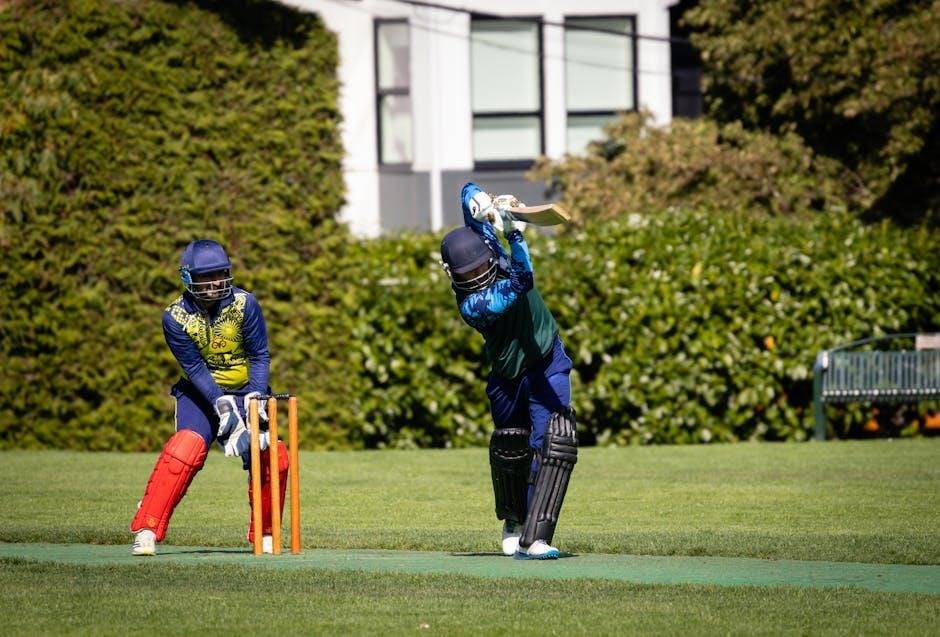
This chart details standard bat sizes – 5, 6, Harrow, and Small Adult (7/8) – correlating with player height and age for optimal selection․
Size 5 Cricket Bats
Size 5 bats, typically measuring 53-55cm in length, are ideally suited for younger players, generally those aged under 9 or with a height of under 5’0”․ These bats offer a lighter weight, enabling easier handling and swing development for beginners․ The smaller blade size promotes better control and encourages proper technique․
Manufacturers often design Size 5 bats with a lower sweet spot, assisting young cricketers in making solid contact․ Choosing the right size is paramount for building confidence and fostering a love for the game; Proper fit minimizes the risk of injury and maximizes learning potential․
Size 6 Cricket Bats
Size 6 cricket bats, generally ranging from 55-57cm, are designed for players aged approximately 9-12 years, or those standing between 5’0” and 5’3”․ These bats strike a balance between weight and control, allowing for increased power as players develop their strength․ The slightly larger blade compared to Size 5 offers a more substantial hitting area․
A Size 6 bat helps young cricketers transition towards more advanced techniques․ It’s crucial to ensure the bat isn’t too heavy, hindering swing speed and proper form․ Correct sizing builds confidence and supports continued skill development, setting a solid foundation for future success․
Harrow Cricket Bats
Harrow cricket bats, typically falling within the 55-57cm range (Size 6), are renowned for their quality and suitability for developing players․ Often favored by those transitioning from junior to more adult-sized equipment, Harrow bats offer a good balance of weight and maneuverability․
These bats are designed to assist with power generation while maintaining control, crucial for improving technique․ The blade profile often features a mid-to-low sweet spot, aiding in consistent hitting․ Selecting the correct Harrow bat size ensures optimal performance and comfort, fostering confidence and skill development for aspiring cricketers․
Small Adult Cricket Bats (Size 7/8)
Small adult cricket bats, generally Size 7 or 8 (57-59cm), bridge the gap for players who find standard adult bats too large or heavy․ These bats cater to adults with a smaller stature or those prioritizing maneuverability over raw power․ They are also suitable for younger adults still developing strength․
Choosing a Size 7/8 bat allows for greater bat control and quicker reactions, enhancing shot-making precision․ The weight distribution is often optimized for balance, making them easier to handle during extended innings․ Proper sizing ensures comfort and maximizes performance potential for these players․
Factors Influencing Cricket Bat Size Selection
Several key factors—player height, weight, playing style, and batting position—significantly influence the optimal cricket bat size for maximizing performance and comfort․
Player’s Height
A player’s height is a primary consideration when determining the appropriate cricket bat size․ Generally, taller players require longer bats to maintain a comfortable stance and generate sufficient power․ Shorter players, conversely, benefit from shorter bats offering greater control and maneuverability․
As a guideline, players under 5’3” often suit Size 5 bats, while those between 5’3” and 5’6” typically find Size 6 optimal․ Individuals ranging from 5’6” to 5’9” often prefer Size 7/8, and those exceeding 5’9” generally opt for full-sized (Size 9) bats․ However, these are merely starting points; individual build and strength also play crucial roles․
Player’s Weight
A player’s weight significantly influences the ideal cricket bat size and, crucially, the bat’s weight․ Heavier players generally possess greater strength, enabling them to effectively wield heavier bats for increased power․ Lighter players, however, may struggle with heavier bats, impacting their swing speed and control․
As a general rule, players weighing under 60kg might prefer lighter bats (around 2lb 7oz ─ 2lb 9oz), while those between 60kg and 75kg can comfortably use bats in the 2lb 9oz ─ 2lb 11oz range․ Players exceeding 75kg often benefit from bats weighing 2lb 11oz or more․ Remember, balance and personal preference are key․
Playing Style & Position
A cricketer’s playing style and batting position heavily influence the optimal bat size․ Aggressive, power-hitting batsmen often favor bats with larger edges and a mid-to-low sweet spot, maximizing hitting power․ Conversely, technically sound players focusing on placement and timing might prefer a bat with a higher sweet spot and lighter profile․
Top-order batsmen frequently choose bats offering a blend of power and control, while lower-order batsmen may prioritize maximizing power for quick runs․ Consider whether you are a defensive or attacking player; this will dictate the ideal weight and blade size for your game․
Key Cricket Bat Dimensions
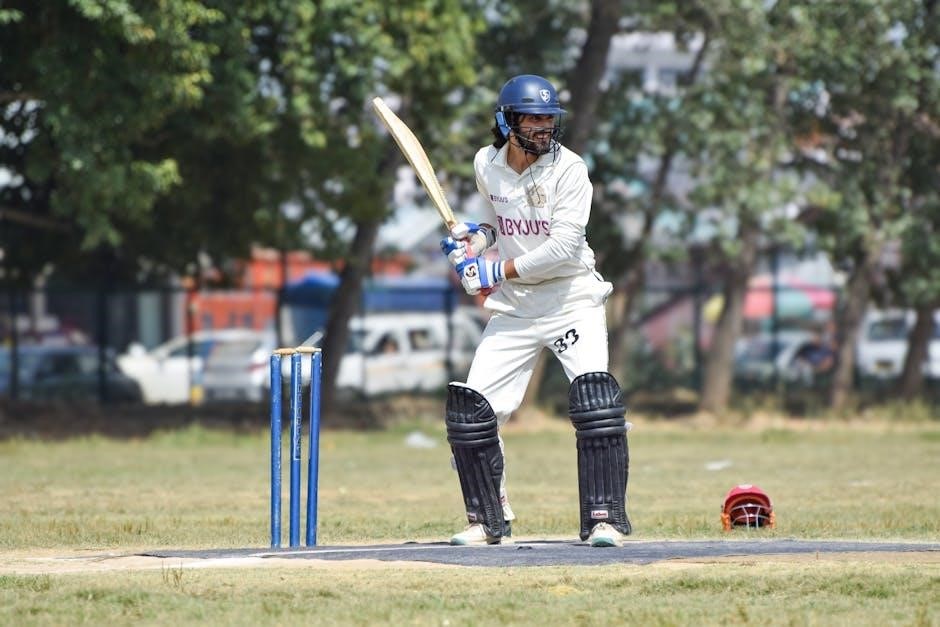
Understanding bat length, width (blade size), and sweet spot location are essential for selecting a cricket bat that complements your technique and strength․
Bat Length
Bat length is a primary dimension, typically ranging from 33 inches to 35 inches for adults․ Shorter bats offer greater control and are suitable for players with less physical strength or a compact playing style․ Conversely, longer bats provide increased reach and power, benefiting taller players or those employing a more aggressive approach․
Proper length ensures comfortable handling and efficient stroke play․ A bat that is too long can feel unwieldy, hindering maneuverability, while a bat that is too short may limit reach and power․ Generally, players should be able to comfortably hold the bat with their arms extended and maintain balance․
Measurements are taken from the bottom of the handle to the top of the blade․ Accurate length selection is vital for maximizing performance and minimizing the risk of injury․
Bat Width (Blade Size)
Blade size, or bat width, significantly influences a bat’s sweet spot and overall performance characteristics․ Wider blades generally offer a larger sweet spot, providing more forgiveness on off-center hits and maximizing power․ However, they can also feel heavier and less maneuverable․
Narrower blades are lighter and easier to control, making them suitable for players who prioritize placement and timing over raw power․ The ideal blade width depends on the player’s strength, technique, and playing style․ Typically, blade widths range from 4․25 inches to 5․5 inches․
Thickness impacts the bat’s weight distribution and balance․ Selecting the appropriate width is crucial for optimizing bat performance and achieving consistent results․
Sweet Spot Location
The sweet spot is the area on the bat blade where impact delivers maximum power and minimal vibration․ Its location is determined by the bat’s profile, weight distribution, and blade width․ Generally, a lower sweet spot is preferred by players who like to play shots along the ground, offering better control and precision․
A higher sweet spot suits players who favor aerial shots, providing greater elevation and power․ The sweet spot’s position influences how the bat feels during a stroke and affects the transfer of energy to the ball․ Finding a bat with a sweet spot that aligns with your playing style is vital․
Optimizing for this area maximizes performance․
Junior Cricket Bat Sizing
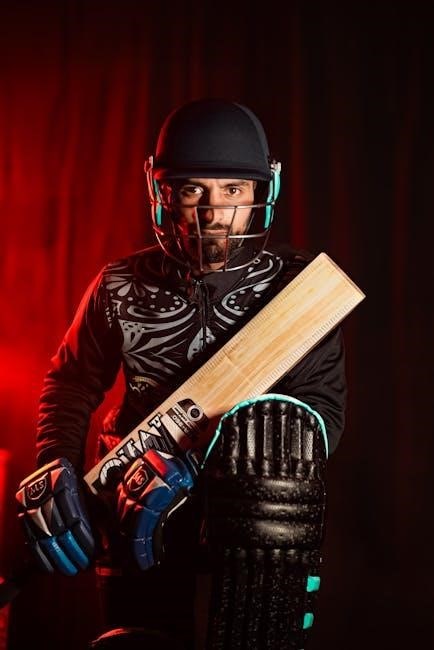
Proper sizing for young cricketers is essential for technique development and enjoyment; age and height are key factors in selecting the appropriate bat․
Age-Based Sizing Recommendations
Generally, younger players benefit from smaller bats, allowing for better control and maneuverability․ For children aged 5-7, a size 1 or 2 bat (approximately 53-58cm) is often suitable․ As players progress to ages 8-10, a size 3 or 4 (58-63cm) becomes more appropriate․ Teenagers aged 11-13 typically transition to size 5 bats (63-68cm), while those 14 and above may use adult sizes․
However, age is merely a guideline; individual growth spurts and strength levels significantly influence the ideal bat size․ It’s crucial to prioritize a bat that the player can comfortably handle and swing effectively, rather than strictly adhering to age-based recommendations․ Regular reassessment is advised as the child grows․
Height-Based Sizing for Juniors
Considering a junior cricketer’s height offers a more personalized sizing approach․ Players under 4’ (122cm) generally suit a size 1 or 2 bat, ensuring manageable weight and swing․ Those between 4’ and 4’6” (122-137cm) typically find size 3 or 4 bats optimal, promoting developing technique․ For cricketers ranging from 4’6” to 5’ (137-152cm), a size 5 bat is often recommended, bridging the gap to adult sizes;
Above 5’, height-based guidance becomes less precise, with weight and strength becoming more dominant factors․ It’s vital to combine height measurements with these considerations for the best fit, prioritizing comfort and control during play․
Senior Cricket Bat Sizing
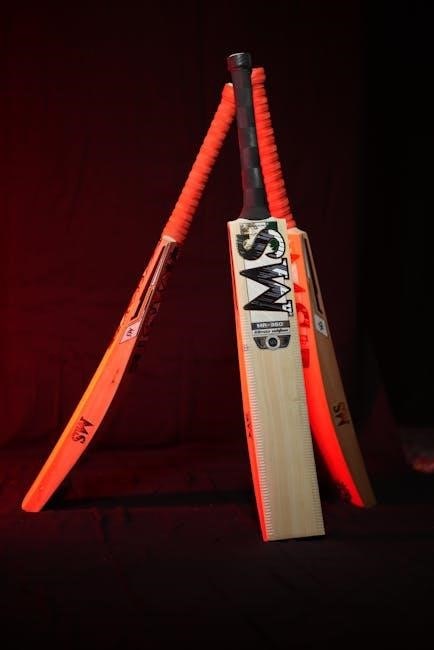
Standard adult cricket bats range from size 7 to Harrow, catering to diverse builds and playing styles; skill level significantly influences optimal size selection․
Standard Adult Bat Sizes
Adult cricket bats are generally categorized into sizes 7, 8, and Harrow, with size 7 being the most common for players of average height and build․ Size 8 bats are typically favored by taller, stronger cricketers seeking increased power․ Harrow bats, slightly smaller than size 8, offer a balance between maneuverability and hitting potential․
Choosing the right size isn’t solely about height; factors like strength, technique, and playing style play a vital role․ A heavier bat (typically larger sizes) can generate more power but requires greater strength and a well-developed technique․ Conversely, a lighter bat allows for quicker bat speed and easier maneuverability, suitable for players focusing on timing and placement․ Experienced players often experiment with different sizes to find what best suits their game․
Considerations for Different Skill Levels
Beginner cricketers should prioritize lighter bats, typically size 7 or smaller, to develop proper technique and timing without being overwhelmed by weight․ As skill progresses, players can gradually transition to heavier bats for increased power․ Intermediate players might experiment with size 8 or Harrow, focusing on bat speed and control․
Advanced cricketers often have a preferred size based on their individual strengths and playing style․ They may utilize heavier bats for aggressive strokeplay or lighter bats for finesse and placement․ Understanding the sweet spot and blade profile becomes crucial at this level, influencing bat selection․ Regular assessment and adjustments are key to optimizing performance․

Recent Regulations & Bat Checks (IPL 2025)
The BCCI implemented random in-match bat size checks during IPL 2025, empowering umpires to verify compliance with regulations and ensure fair play․
BCCI Bat Size Regulations
The Board of Control for Cricket in India (BCCI) has established specific regulations concerning cricket bat dimensions to maintain the integrity of the game․ These rules govern the maximum size of the bat, including its length and width, ensuring a balance between bat performance and fairness․ The regulations aim to prevent bats from being excessively powerful, potentially giving batsmen an unfair advantage․
Umpires are responsible for enforcing these regulations, and bats that do not comply may be deemed illegal for use in matches․ The BCCI continually reviews and updates these regulations to adapt to evolving bat technology and maintain a level playing field for all participants․ Compliance is paramount for professional cricket, particularly within the IPL․
Random In-Match Bat Size Checks
A notable new regulation implemented in the IPL 2025 season allows umpires and match officials to conduct random bat size checks during matches․ This proactive measure aims to ensure all bats adhere to the BCCI’s established size regulations, preventing any potential breaches from going unnoticed․ These checks add an extra layer of scrutiny, reinforcing the commitment to fair play and consistent application of the rules․
The process involves officials verifying the bat’s dimensions against the permitted limits, potentially impacting a batsman’s ability to continue using a non-compliant bat mid-game․ This unexpected element introduces a new dynamic to the competition, emphasizing the importance of bat legality․
Choosing the Right Bat Weight
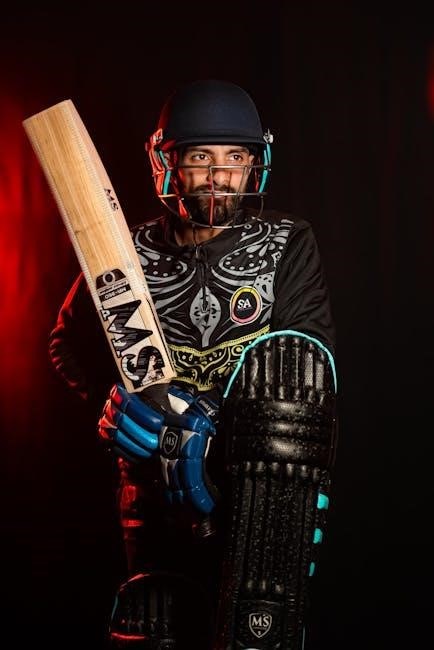
Bat weight significantly impacts performance; lighter bats offer quicker swing speeds, while heavier bats provide more power, demanding appropriate strength and technique․
Impact of Weight on Bat Performance
The weight of a cricket bat profoundly influences a player’s ability to generate both power and speed during a stroke․ Lighter bats (typically under 2lb 8oz) are easier to maneuver, enabling quicker bat speeds – advantageous for fast-paced scoring and players prioritizing timing․ However, they may lack the mass needed for substantial power hitting․
Conversely, heavier bats (over 2lb 10oz) offer greater momentum, translating into increased power upon impact, ideal for aggressive batsmen aiming to clear boundaries․ But, the increased weight can compromise bat speed and require greater strength and stamina to wield effectively․ Finding the right balance is key; a bat that feels too heavy will hinder technique and responsiveness․
Finding the Optimal Weight for Your Strength
Determining the ideal bat weight requires a realistic assessment of your physical strength and batting style․ A good starting point is to experiment with bats of varying weights – 2lb 7oz to 2lb 12oz – during practice sessions․ Focus on your ability to maintain control and a smooth swing throughout the stroke, without feeling strained or losing balance․
Younger or less physically developed players should generally opt for lighter bats to facilitate proper technique development․ Stronger, more experienced batsmen can often handle heavier bats, maximizing power․ Consider your playing position; aggressive hitters might prefer heavier bats, while those prioritizing placement and finesse may benefit from lighter options․
Resources & Further Information
Explore online cricket bat size charts and seek guidance from experienced retailers for personalized advice, ensuring a perfect fit for optimal performance․
Online Cricket Bat Size Charts
Numerous websites offer comprehensive cricket bat size charts, providing a convenient starting point for players of all levels․ These charts typically categorize bats by size – 5, 6, Harrow, and various adult sizes – correlating these with player height and sometimes weight․
However, remember that these charts serve as guidelines; individual preferences and playing styles significantly influence the ideal bat size․ Many retailers also feature interactive sizing tools, allowing users to input their measurements for a more tailored recommendation․ Always cross-reference information from multiple sources and consider seeking expert advice to ensure the best possible fit, maximizing performance and comfort on the pitch․
Expert Advice & Retailer Assistance
Seeking guidance from experienced cricket professionals or knowledgeable retailer staff is invaluable when choosing a bat․ Experts can assess a player’s technique, strength, and playing style to recommend the most suitable size and weight․
Reputable cricket retailers often provide personalized fitting services, allowing players to physically handle and test different bats․ Don’t hesitate to ask questions about bat dimensions, sweet spot location, and weight distribution․ A well-informed retailer will prioritize finding a bat that complements your individual needs, ensuring optimal performance and enjoyment of the game․