Understanding US Jeans Size Guide
Navigating US jeans sizing can be tricky! Different brands, styles, and even fabrics impact fit, making a universal chart insufficient for a perfect purchase.
Understanding waist, inseam, and rise measurements is crucial, alongside acknowledging the prevalence of ‘vanity sizing’ across various denim manufacturers.
This guide aims to demystify the process, offering insights into conversions and fit considerations for a confident and satisfying shopping experience.
Embarking on the quest for the perfect pair of jeans in the US often begins with deciphering a complex sizing system. Unlike standardized clothing measurements, jeans sizing isn’t always consistent, varying significantly between brands and even different styles within the same brand.
Traditionally, US jeans sizes represent waist and inseam measurements in inches. However, the introduction of ‘vanity sizing’ – where sizes are labeled smaller than actual measurements – has further complicated matters. This practice aims to appeal to consumers but creates confusion when comparing sizes across different retailers.
Furthermore, factors like fabric composition (stretch denim versus rigid denim) and the cut of the jeans (skinny, straight, bootcut) dramatically influence how a pair will fit. A thorough understanding of these nuances, alongside accurate self-measurement, is essential for a successful jeans-buying experience. This guide will provide a foundational understanding of US jeans sizing, setting the stage for finding your ideal fit.
Why Jeans Sizing is Complicated
The inconsistency in US jeans sizing stems from a multitude of factors, creating a frustrating experience for many shoppers. Primarily, there’s a lack of standardized regulations governing denim sizing, allowing brands significant leeway in their measurements.
‘Vanity sizing’ plays a substantial role, with brands often labeling jeans with smaller sizes to appeal to consumer preferences, deviating from true inch measurements. This practice differs widely between companies, making size conversions unreliable.
Beyond labeling, variations in fabric composition – the amount of stretch, weight, and weave – impact fit. A pair of rigid denim jeans will fit differently than those with significant stretch. Different cuts, like skinny versus bootcut, also require different sizing considerations. Finally, international sizing conversions (US to UK, EU, or Asian sizes) introduce another layer of complexity, requiring careful attention to conversion charts.
Decoding US Jeans Sizes
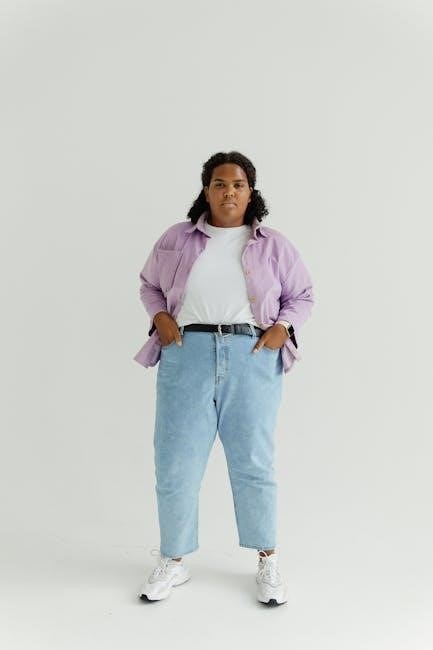
Understanding key measurements—waist, inseam, and rise—is essential for finding your ideal fit. These dimensions, combined with awareness of fabric and style, unlock accurate sizing.
Waist Size Measurements
Determining your waist size is the foundational step in finding well-fitting jeans. Measure around your natural waistline – typically the smallest part of your torso, usually above your belly button – ensuring the tape measure sits comfortably and isn’t too tight.
US jeans waist sizes are typically expressed in inches, ranging from approximately 24 inches to 36 inches and beyond. However, remember that these numbers can vary significantly between brands due to ‘vanity sizing’ practices.
International conversions are also important to consider. For example, a US size 28 waist often corresponds to a UK size 12 and a European size 38. Always refer to the specific brand’s size chart, as discrepancies are common. Don’t assume consistency!
When measuring, avoid sucking in your stomach or holding your breath, as this will result in an inaccurate measurement. A relaxed, natural posture is key for an accurate waist size.
Inseam Measurements
Inseam measurement dictates the length of your jeans, crucial for achieving the desired fit and avoiding dragging hems or awkwardly short lengths. To measure, stand straight with your shoes on and use a tape measure from your crotch down to where you want the hem to fall.
Common US inseam lengths range from 28 inches to 34 inches, with options available for shorter or taller individuals. The ideal inseam depends on your height and preferred style – longer for bootcut jeans worn with heels, shorter for cropped or ankle styles.
Consider the rise of the jeans when determining inseam. Higher rises often require slightly shorter inseams. Again, brand size charts are vital, as inseam lengths can vary.
If you’re between sizes, it’s generally better to opt for a slightly longer inseam, as jeans can always be hemmed to your precise length. Accurate measurement ensures a polished and proportionate look.
Rise Measurements (Low, Mid, High)
Jeans ‘rise’ refers to the distance from the crotch seam to the top of the waistband, significantly impacting fit and silhouette. Understanding the different rises – low, mid, and high – is key to finding jeans that flatter your body type and suit your style.
Low-rise jeans (around 8-9 inches) sit below the natural waist, offering a more casual, sometimes revealing look. Mid-rise jeans (around 10-11 inches) fall at or just below the natural waist, providing a comfortable and versatile fit.
High-rise jeans (12+ inches) sit at or above the natural waist, accentuating the waistline and creating a longer leg line. Rise also influences inseam needs; higher rises often pair well with shorter inseams.
Consider your torso length and body shape when choosing a rise. Always check brand-specific measurements, as rise definitions can vary slightly.
Vanity Sizing in Jeans
“Vanity sizing” is a common practice in the fashion industry, where brands label clothing with a smaller size than the actual measurement. This is particularly prevalent with jeans, aiming to make customers feel better about their bodies and encourage purchases.
You might find that a size 30 waist jean from one brand fits differently than a size 30 from another. Don’t rely solely on the number on the tag! Measurements are far more reliable.
This practice can be frustrating, leading to inconsistent sizing across brands. It’s why finding a brand whose cut and sizing consistently fits you is so valuable.
Always prioritize measuring yourself and comparing those measurements to the brand’s specific size chart, rather than assuming your usual size will fit. Don’t be afraid to size up or down!
US to International Jeans Size Conversion
Converting US jeans sizes internationally requires careful attention! UK, EU, and Asian sizing systems differ significantly, necessitating a reliable conversion chart for accurate shopping.
US to UK Jeans Sizes
Converting from US to UK jeans sizes isn’t always straightforward, but a general guideline can help you find your best fit. Typically, a US size 26 translates to a UK size 10, while a US size 28 corresponds to a UK size 12. This pattern continues, with US 30 equaling UK 14, US 32 to UK 16, and so on.
However, it’s crucial to remember that these are approximations. UK sizing often runs smaller than US sizing, so it’s advisable to check specific brand size charts. For example, a US size 28 waist might be a UK size 12 in one brand but a UK size 14 in another.
When in doubt, always prioritize checking the retailer’s size guide and comparing your waist measurement to their chart. Consider reading customer reviews for insights into how a particular brand’s UK sizes run. Accurate measurements are key to avoiding disappointment!
US to EU Jeans Sizes
Converting US jeans sizes to European (EU) sizes requires careful attention, as discrepancies can occur between brands. Generally, a US size 0 equates to an EU size 32, while a US size 2 corresponds to an EU size 34. This progression continues: US 4 to EU 36, US 6 to EU 38, US 8 to EU 40, and so forth.
However, EU sizing can be less consistent than US or UK sizing. Some brands may use a slightly different conversion chart, so relying solely on a general guide isn’t always reliable. It’s essential to consult the specific size chart provided by the retailer you’re purchasing from.
Pay close attention to waist measurements in centimeters, as EU sizes are often based on this metric. Customer reviews can also offer valuable insights into whether a brand’s EU sizes run true to size or tend to be smaller or larger.
US to Asian Jeans Sizes
Converting US jeans sizes to Asian sizes presents the most significant challenges due to substantial differences in sizing standards. Asian sizing, particularly from brands in countries like China and Japan, typically runs much smaller than US sizes. A US size 26 often translates to an Asian size M or even L, depending on the brand and cut.
It’s crucial to avoid simply converting based on numerical size; instead, prioritize waist and hip measurements in inches or centimeters. Always refer to the specific brand’s size chart, as variations are common. Many Asian brands provide detailed measurement guides, including recommended sizes based on body dimensions.
Reading customer reviews is particularly helpful when purchasing from Asian retailers, as they often reveal whether items run small, large, or true to size. Expect to potentially order one or two sizes up from your usual US size.
Jeans Styles and Fit Considerations
Different jean styles require nuanced sizing approaches. Skinny jeans demand a snug fit, while bootcut styles offer more room, impacting waist and inseam preferences for comfort.
Skinny Jeans Sizing

Skinny jeans, known for their close-fitting silhouette, often require careful consideration when selecting the right size. Due to their streamlined shape, these jeans typically have less give than other styles, meaning accurate measurements are paramount.
Generally, it’s recommended to size up from your usual waist size, especially if you prefer a comfortable fit. Focus on waist and hip measurements, as these are critical for achieving a flattering look. Pay attention to the fabric composition; jeans with a higher percentage of elastane or spandex will offer more stretch and flexibility.
Inseam length is also important, as skinny jeans should ideally fall at or slightly above the ankle. Consider the rise – high-rise skinny jeans can create a longer leg line, while low-rise options may require adjusting your waist size. Don’t hesitate to consult the specific brand’s size chart, as fits can vary significantly.
Straight Leg Jeans Sizing
Straight leg jeans offer a classic, versatile fit, but finding the perfect size still requires attention to detail. Unlike skinny jeans, these generally provide a more relaxed fit through the hip and thigh, but a consistent width from the knee down.
Focus on your waist measurement as the primary sizing factor. A comfortable, not-too-tight fit is usually preferred. The inseam length will depend on your height and desired look – ranging from a slight break at the shoe to a more cropped style.
Consider the rise; mid-rise straight leg jeans are a popular choice, offering a balance of comfort and style. Pay attention to the fabric weight; heavier denim may feel more structured, while lighter washes offer more drape. Always check the brand’s specific size guide, as straight leg fits can vary in terms of overall width and leg opening.
Bootcut Jeans Sizing
Bootcut jeans are designed to accommodate boots, featuring a slight flare from the knee down. Accurate sizing is key to achieving a flattering silhouette. Begin with your waist measurement, ensuring a comfortable fit – not too tight, allowing for movement.
Inseam is particularly important with bootcut styles. Measure from your crotch to where you want the hem to fall with your boots on. A longer inseam prevents the jeans from riding up and exposing your ankles; The rise impacts how the jeans sit on your hips; mid-rise is a versatile option.
Pay attention to the leg opening measurement provided by the brand. This determines the degree of flare. Heavier denim will hold its shape better, while stretch denim may offer more give. Brand-specific size charts are essential, as bootcut styles vary significantly.
Mom Jeans Sizing
Mom jeans, characterized by a high waist and relaxed fit through the hip and thigh, require careful consideration when sizing. Due to their looser cut, it’s tempting to size down, but this can lead to discomfort and an unflattering fit.
Focus on your waist measurement as the primary sizing factor. The high waist should sit comfortably at your natural waistline, not too tight or digging in. The relaxed fit through the hips and thighs means a precise hip measurement is less critical, but still helpful.
Inseam length is important for achieving the desired cropped or full-length look. Consider the rise – mom jeans typically have a high rise, impacting where the waistband sits. Fabric composition matters; stretch denim will offer more give than rigid denim. Always consult the brand’s specific size chart!
Brand-Specific Size Variations
Denim sizing isn’t standardized! Levi’s, Wrangler, and American Eagle all have unique fits and measurements, necessitating a review of each brand’s individual size chart.
Levi’s Jeans Size Guide
Levi’s, a denim icon, presents a sizing system that requires careful attention. Their waist size generally corresponds to the measurement in inches around your natural waistline, though variations exist between fits. Levi’s offers a detailed size chart on their website, specifying waist and inseam measurements for each style – from classic 501s to modern fits.
It’s crucial to note that Levi’s uses a numbered sizing system (e.g., 28, 30, 32) for waist size, and a separate numerical value for inseam length. Consider the rise of the jean; a higher rise may require sizing up. Furthermore, Levi’s often indicates ‘W’ for waist and ‘L’ for length (e.g., 32W x 30L).
Pay attention to the specific fit description – Skinny, Slim, Straight, Bootcut, Relaxed – as each will have a different cut and potentially require adjusting your usual size. Checking customer reviews for specific styles can provide valuable insights into how a particular jean runs (true to size, small, or large).
Wrangler Jeans Size Guide
Wrangler jeans, known for their Western heritage and durability, employ a sizing system that differs slightly from standard measurements. Typically, Wrangler waist sizes run larger than other brands; it’s often recommended to size down one inch from your actual waist measurement. Their inseam measurements are fairly consistent, however.
Wrangler utilizes both numerical waist sizes (e.g., 32, 34) and lettered sizes (S, M, L, XL) which can be confusing. Always refer to Wrangler’s official size chart, which details both waist and inseam measurements for each size designation. Pay close attention to the specific jean style – Cowboy Cut, Retro, or Modern – as fits vary significantly.
Consider that Wrangler jeans are often designed with a lower rise, so ensure a comfortable fit when seated and moving. Customer reviews frequently mention the generous cut through the thigh, so if you prefer a slimmer fit, consider a slimmer style or sizing down.
American Eagle Jeans Size Guide
American Eagle Outfitters caters to a younger demographic, and their jeans sizing reflects this with a focus on trendy fits. Their size range is quite inclusive, offering sizes from 00 to 24W, accommodating diverse body types. Waist sizes generally align with standard US measurements, but it’s wise to consult their detailed size chart.
American Eagle provides specific measurements for waist, hip, and inseam for each size. They categorize fits – like Curvy, Hi-Rise, and Low-Rise – each impacting how the jeans will fit. Notably, their “Curvy” fit is designed for those with a smaller waist-to-hip ratio.
Many customers report that American Eagle jeans run true to size, but fabric stretch can influence the fit. Reading recent customer reviews for the specific style you’re considering is highly recommended. Don’t hesitate to utilize their online size guide tool for personalized recommendations.
Tips for Finding Your Perfect Fit
Accurate self-measurement is key! Carefully review online size charts, considering fabric composition and stretch, to ensure a comfortable and flattering denim experience.
Measuring Yourself Accurately
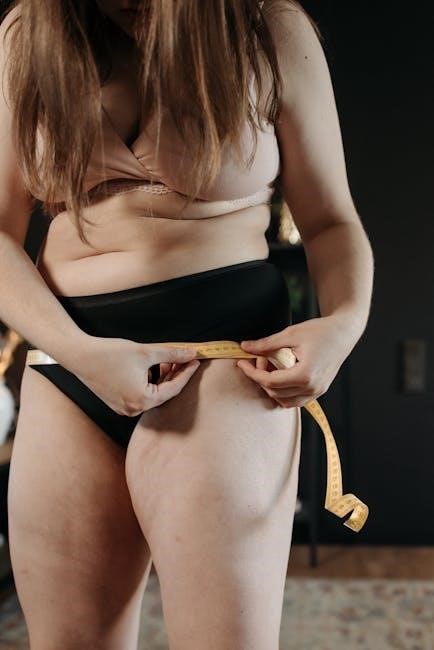
Waist Measurement: Use a flexible measuring tape and measure around your natural waistline – the smallest part of your torso, typically just above your belly button. Ensure the tape is snug but not tight, and keep it level all the way around. Don’t suck in your stomach!
Hip Measurement: Stand with your feet together and measure around the fullest part of your hips and buttocks. Again, keep the tape measure level and comfortably snug. This measurement is vital, especially for styles like bootcut or mom jeans.
Inseam Measurement: The inseam is measured from the crotch to the bottom of the ankle. The easiest way to get an accurate inseam is to measure a pair of jeans that already fit you well. Lay them flat and measure along the inner seam.
Important Note: Have a friend assist you for the most accurate results. Measurements can vary slightly, so it’s always best to double-check!
Reading Online Size Charts
Each brand’s size chart is unique! Don’t assume your size will be consistent across all retailers. Always consult the specific size chart provided on the brand’s website before making a purchase. Look for detailed charts that include waist, hip, and inseam measurements.
Pay attention to units: Ensure the chart uses inches or centimeters, whichever you’re most comfortable with. Some charts offer conversions, but double-check for accuracy.
Consider the style: Size charts may vary slightly depending on the jean style (skinny, straight, bootcut, etc.). Some brands provide separate charts for each fit.
Read the notes: Brands often include notes about their sizing – for example, if their jeans tend to run small or large. These notes are invaluable! Don’t hesitate to compare your measurements to the chart and choose the size that best aligns.
Considering Fabric Composition
Denim’s stretch significantly impacts fit! Jeans containing elastane, spandex, or other stretch fibers will generally fit more snugly than 100% cotton denim. Account for this stretch when selecting your size – you may need to size down.
Rigid denim (no stretch) typically requires a looser fit, as it won’t conform to your body as much. Consider your comfort level and desired silhouette.
Heavier-weight denim often feels more structured and may shrink slightly after washing. Factor this potential shrinkage into your size selection.
Read the fabric content label: This will tell you the percentage of cotton and stretch fibers. A higher percentage of stretch means a more forgiving fit, while a higher cotton content means less give. Prioritize understanding the fabric to ensure a comfortable and flattering fit.