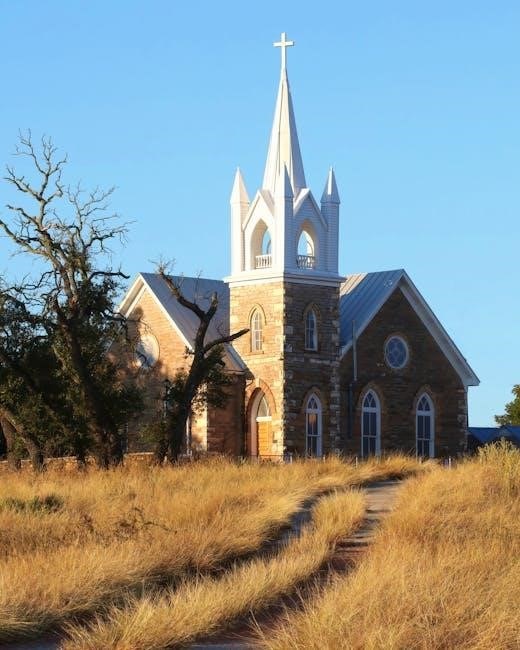
Central Texas boasts remarkable‚ historically significant painted churches‚ showcasing unique artistry and cultural heritage. These stunning structures‚ primarily found near Schulenburg‚ offer a captivating self-guided tour experience.
Fifteen churches were recognized in 1984 on the National Register of Historic Places‚ attracting designers‚ historians‚ and tourists alike. Explore over twenty churches!
Historical Significance and Overview
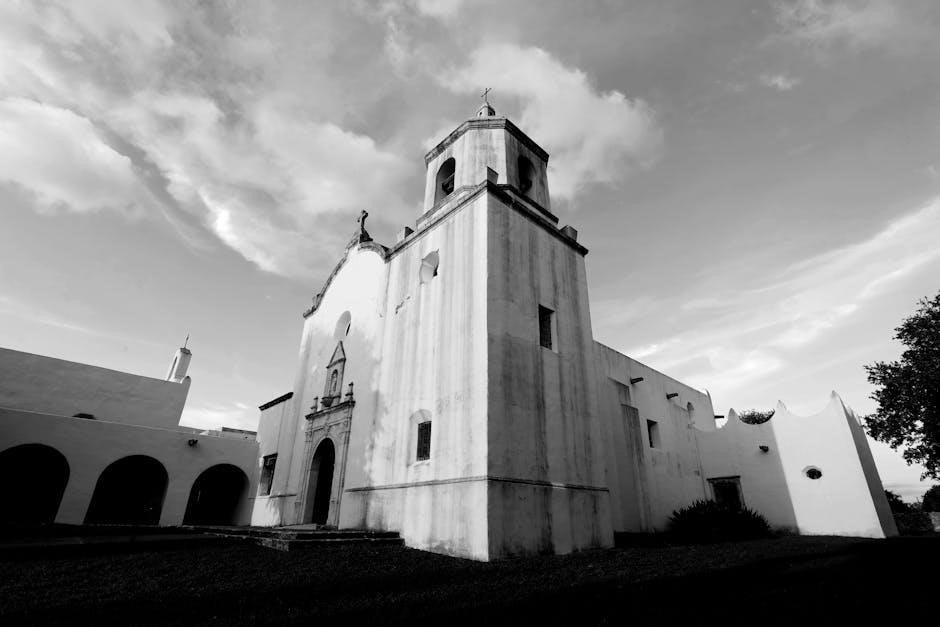
The Painted Churches of Texas represent a unique blend of faith‚ artistry‚ and immigration history. Built primarily between 1873 and 1906 by Central European settlers – predominantly German and Czech – these churches served as both places of worship and vibrant community centers.
These weren’t grand cathedrals‚ but modest structures reflecting the economic realities of their congregations. However‚ the interiors were lavishly decorated by itinerant artists‚ often self-taught‚ who utilized their skills to create stunning murals and intricate designs.
In 1984‚ fifteen of these remarkable churches were officially recognized for their historical importance‚ earning a place on the National Register of Historic Places. This designation helped preserve these cultural treasures‚ ensuring their stories and artistry would be appreciated for generations to come. Today‚ they stand as testaments to the dedication and artistic spirit of early Texas settlers.
What Makes These Churches Unique?
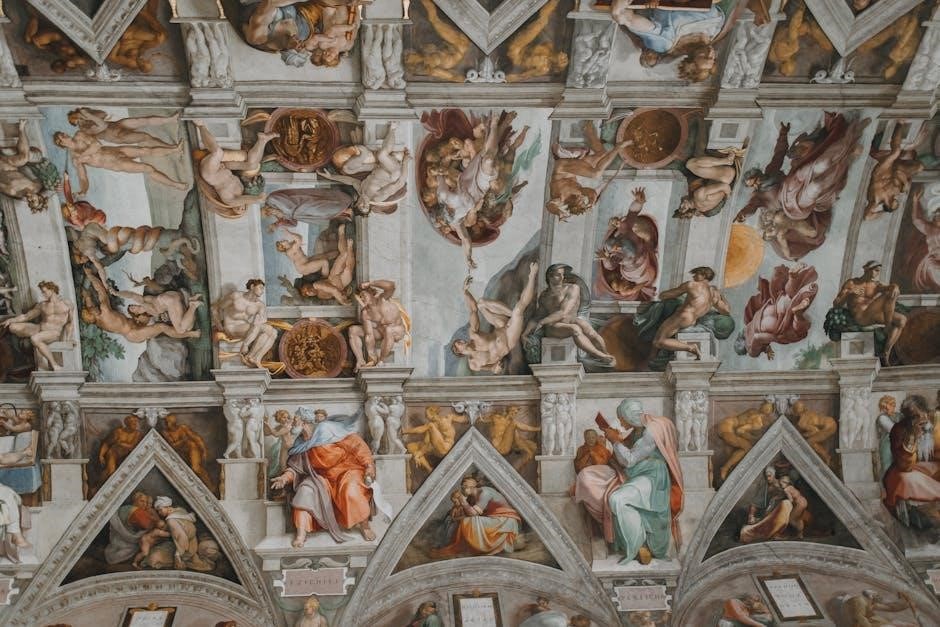
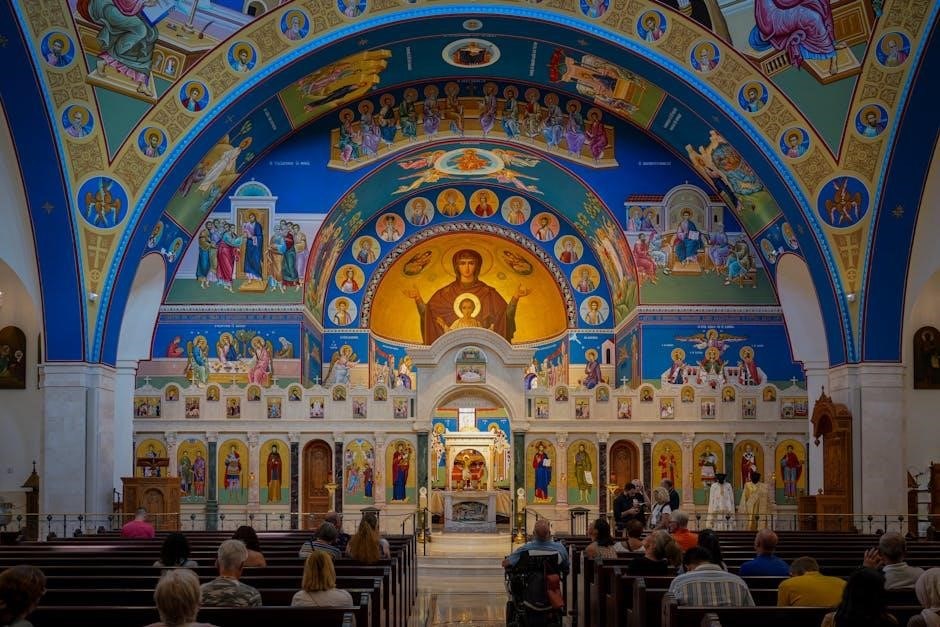
The defining characteristic of these churches is‚ undoubtedly‚ their interiors. Unlike many churches featuring stained glass‚ these boast walls and ceilings completely covered in vibrant‚ detailed paintings. These aren’t simply decorative; they depict biblical scenes‚ religious iconography‚ and often‚ symbolic representations of faith and hope.
The style is often described as “folk baroque‚” a distinctive aesthetic born from the blending of European traditions with the resourcefulness of local artists. The artists‚ frequently itinerant painters‚ employed trompe-l’oeil techniques to create illusions of depth and grandeur within the relatively small spaces.
What sets them apart is the intimate scale and the deeply personal connection to the communities they served; These weren’t commissioned by wealthy patrons‚ but were expressions of collective faith and artistic endeavor‚ making each church a truly unique and captivating masterpiece.
Planning Your Self-Guided Tour
Embark on a memorable journey through Texas’ painted churches‚ easily explored via a self-guided tour. Maps and brochures are readily available in Schulenburg‚ enhancing your experience.
Best Time to Visit
Determining the ideal time to experience the Painted Churches of Texas involves considering both weather and local events. Spring and fall generally offer the most pleasant temperatures‚ avoiding the intense summer heat and potential humidity. These seasons provide comfortable conditions for leisurely exploration of both the church interiors and the surrounding Texas countryside.
Visiting during the week can also enhance your experience‚ minimizing crowds and allowing for a more intimate appreciation of the artistry. Weekends‚ particularly during festivals or special events in Schulenburg‚ tend to be busier. Checking the Schulenburg Chamber of Commerce calendar is advisable to avoid potential congestion. Remember these are active churches‚ so be mindful of service schedules when planning your visits. A December visit might coincide with special Christmas services‚ adding a unique dimension to your tour.
Starting Point: Schulenburg‚ Texas
Schulenburg‚ Texas‚ affectionately known as the “Home of the Painted Churches‚” serves as the perfect launching pad for your self-guided tour. This charming town‚ with a population of under three thousand‚ offers a welcoming atmosphere and essential resources for visitors. The Schulenburg Chamber of Commerce‚ located at 618 N. Main St.‚ is an invaluable first stop.
Here‚ you can acquire detailed maps and brochures outlining the locations and histories of the churches. The Chamber can also assist with organizing guided tours if preferred‚ though self-guided exploration is highly recommended for flexibility. Schulenburg itself provides a delightful glimpse into Texas history and culture‚ with antique shops and local cuisine adding to the overall experience. Utilizing Schulenburg as your base allows easy access to the majority of the painted churches within a reasonable driving distance.
Obtaining Maps and Brochures
Securing detailed maps and brochures is crucial for a successful self-guided tour of the Painted Churches of Texas. The primary source for these essential resources is the Schulenburg Chamber of Commerce‚ conveniently located at 618 N. Main St. in Schulenburg‚ Texas. They offer comprehensive materials specifically designed to guide visitors through the area’s stunning religious landmarks.
These maps typically highlight the locations of each church‚ along with brief historical overviews and information about the unique artwork within. Brochures often provide additional details‚ including driving directions and suggested itineraries. It’s advisable to stop at the Chamber office upon arrival in Schulenburg to collect the most up-to-date information and ensure a well-planned and enriching experience.

Key Churches to Include in Your Tour
Essential stops include St. Mary’s (Dubina)‚ St. John the Baptist (Ammannsville)‚ St. Mary’s (High Hill)‚ St. Philip’s (Shiner)‚ and Nativity of the Blessed Virgin Mary (Plum).
These churches represent the pinnacle of artistry and historical significance within the Texas painted church region.
St. Mary’s Catholic Church of the Assumption (Dubina)
St. Mary’s in Dubina‚ established in 1876‚ stands as one of the oldest and most beautifully preserved painted churches in the region. Its interior boasts intricate stenciled designs and vibrant murals‚ executed by local artists reflecting their Czech and German heritage.
The church’s artwork‚ completed in 1912‚ depicts biblical scenes and floral motifs with remarkable detail and a distinctive folk art style. Visitors are captivated by the illusionistic painting techniques‚ creating a sense of depth and grandeur within the modest structure.
Dubina’s St. Mary’s is a testament to the faith and artistic skill of the early settlers‚ offering a profound glimpse into their cultural identity. It’s a must-see for anyone embarking on a painted churches tour‚ embodying the spirit of these treasured landmarks.
St. John the Baptist Catholic Church (Ammannsville)
St. John the Baptist in Ammannsville‚ a smaller but equally enchanting church‚ showcases a remarkable example of painted church artistry. Founded in 1878‚ its interior was elaborately decorated in 1919 by local craftsmen‚ primarily of German descent‚ utilizing a distinctive style of faux finishing.
The church’s painted surfaces mimic marble and wood grain‚ creating a visually stunning and surprisingly realistic effect. Delicate floral patterns and religious iconography adorn the walls and ceiling‚ demonstrating the dedication and skill of the artists.
Ammannsville’s St. John’s offers a more intimate experience‚ allowing visitors to fully appreciate the detail and artistry of its painted interior. It’s a hidden gem on the painted churches tour‚ reflecting the strong faith and community spirit of its founders.
St. Mary’s Catholic Church (High Hill)
St. Mary’s Catholic Church in High Hill is arguably the most elaborately decorated of the painted churches‚ often considered a highlight of any self-guided tour. Completed in 1906‚ its interior boasts a breathtaking display of artistry‚ meticulously executed by local painters.
The church’s decoration features intricate stenciling‚ faux marble columns‚ and realistic depictions of biblical scenes. The level of detail is astonishing‚ creating an immersive and awe-inspiring atmosphere for visitors.
High Hill’s St. Mary’s exemplifies the German and Czech artistic traditions brought to Texas by the early settlers. It’s a testament to their faith‚ craftsmanship‚ and dedication to creating a beautiful house of worship. Prepare to be amazed by its grandeur!
St. Philip’s Catholic Church (Shiner)
St. Philip’s Catholic Church in Shiner presents a slightly different aesthetic compared to some of the other painted churches‚ yet remains a captivating stop on a self-guided tour. Built in 1923‚ it showcases a beautiful‚ though less ornate‚ interior painting style.
The church’s artwork features a more restrained palette and simpler designs‚ still reflecting the strong religious devotion of the community. While not as overwhelmingly detailed as High Hill‚ St. Philip’s offers a serene and peaceful atmosphere.
Shiner’s St. Philip’s is a wonderful example of how the painted church tradition evolved over time. It’s a testament to the enduring faith and artistic expression of the Czech and German settlers in the region‚ offering a unique perspective.
Nativity of the Blessed Virgin Mary Catholic Church (Plum)
Nativity of the Blessed Virgin Mary Catholic Church in Plum is a jewel among the painted churches‚ renowned for its exceptionally well-preserved and vibrant interior. This church‚ dating back to 1908‚ offers a truly immersive experience for visitors on a self-guided tour.
The intricate paintings‚ executed by local artists‚ depict biblical scenes with remarkable detail and artistry. The church’s interior is a stunning display of devotion and craftsmanship‚ showcasing the strong faith of the Czech immigrant community;
Visitors are often captivated by the church’s overall beauty and the sense of peace it evokes. Plum’s Nativity Church is a must-see destination‚ representing a pinnacle of the painted church tradition in Texas‚ and a testament to enduring heritage.
The Art Within: A Closer Look
The painted churches display a unique artistic style‚ blending German and Czech influences with strong religious themes and motifs. These interiors are breathtaking!
Origins of the Painting Style
The distinctive painting style within these Texas churches arose from the strong faith and artistic inclinations of 19th-century Central European immigrants. Predominantly German and Czech settlers‚ arriving in the mid-1800s‚ sought to recreate the ornate church interiors they remembered from their homelands.
Unable to afford expensive stained glass‚ these congregations employed faux bois (false wood) and trompe-l’oeil techniques‚ skillfully painting murals to simulate marble‚ wood‚ and other luxurious materials. Local artisans‚ often self-taught‚ meticulously decorated the walls and ceilings with biblical scenes‚ floral patterns‚ and intricate designs.
This practice wasn’t simply about aesthetics; it was a deeply spiritual expression of their devotion and a way to maintain their cultural identity in a new land. The paintings served as visual aids for religious instruction‚ particularly for those with limited literacy.
German and Czech Influences
The painted churches vividly reflect the strong German and Czech heritage of the settlers who built them. German artistic traditions‚ characterized by detailed realism and a preference for Baroque ornamentation‚ heavily influenced the early painting styles. Expect to see elaborate depictions of saints and biblical narratives.
Czech contributions brought a distinct folk art sensibility‚ often incorporating vibrant colors and floral motifs. These influences blended seamlessly‚ creating a unique Texan interpretation of European church decoration. The meticulous craftsmanship and dedication to detail are hallmarks of both cultures.
The churches weren’t merely copies of European designs; they were adaptations reflecting the available resources and the specific needs of the local communities. This fusion of Old World artistry and New World practicality defines the character of these treasured landmarks.
Common Themes and Motifs
Recurring themes within the painted churches center around religious iconography and symbolism‚ deeply rooted in Catholic faith. Expect to encounter frequent depictions of the Virgin Mary‚ Jesus Christ‚ and various saints‚ rendered with remarkable detail and devotion. These images served as visual aids for religious instruction.
Floral motifs‚ particularly roses and other blossoms‚ are prevalent‚ symbolizing purity‚ love‚ and the beauty of God’s creation. Trompe-l’oeil techniques‚ creating realistic illusions of architectural features‚ are also common‚ expanding the perceived space within the churches.
Heavenly scenes‚ including depictions of angels and the afterlife‚ offer a glimpse into the settlers’ spiritual beliefs and hopes. The overall effect is a visually stunning and spiritually uplifting experience‚ reflecting the profound faith of the communities who commissioned these artworks.
Practical Considerations for Visitors
Remember these are active churches; respectful attire and behavior are essential. Photography is generally permitted‚ but always confirm guidelines before capturing images of these sacred spaces.
Respectful Visiting Etiquette
Visiting these cherished landmarks requires mindful consideration as they remain active places of worship for local congregations. Dress modestly‚ avoiding overly revealing clothing‚ and maintain a quiet demeanor within the church premises. Refrain from loud conversations or disruptive behavior that could interrupt services or personal prayer.
Be aware that services and other religious events may be in progress during your visit; If a service is underway‚ observe from the back of the church or respectfully wait until it concludes before exploring the interior. Avoid walking in front of the altar during services. Remember these are not simply historical sites‚ but living‚ breathing centers of faith for the communities they serve.
Show reverence for the religious artwork and artifacts within the churches. Do not touch the paintings or other delicate items. Treat the space with the same respect you would offer any sacred place of worship.
Photography Guidelines
Photography is generally permitted within the Painted Churches of Texas‚ but always exercise discretion and respect. Flash photography is strongly discouraged as it can damage the delicate painted surfaces and detract from the viewing experience for others. Utilize natural light whenever possible to capture the beauty of the artwork.
Avoid using tripods without prior permission from the church officials‚ as they can obstruct pathways and create inconvenience. Be mindful of other visitors and avoid blocking their views while taking photographs. Refrain from photographing during services or other religious ceremonies.
Photography is for personal use only; commercial use requires explicit permission from the respective church. Sharing photos on social media is acceptable‚ but please credit the church and acknowledge its sacred nature. Remember to be respectful of the privacy of any individuals who may be present.
Nearby Accommodation Options
Schulenburg‚ the “Home of the Painted Churches‚” offers a variety of lodging choices for visitors planning a self-guided tour. Several charming bed and breakfasts provide a cozy and personalized experience‚ often with historical character. Options include the Sengelmann Hall Hotel‚ a beautifully restored landmark offering unique suites.
For more conventional lodging‚ several hotels and motels are available in Schulenburg and neighboring towns like La Grange and Columbus. These provide standard amenities and convenient access to the tour route. Consider checking online travel platforms for availability and pricing.
Vacation rentals‚ such as Airbnb and VRBO‚ are also popular options‚ offering homes and apartments for larger groups or those seeking more space and privacy. Booking in advance is highly recommended‚ especially during peak season‚ to secure your preferred accommodation.
Resources for Further Exploration
The Schulenburg Chamber of Commerce provides maps and tour information. Explore National Register of Historic Places listings and recommended reading materials for deeper insights!
Discover more about these beautiful churches through dedicated resources and historical documentation.
Schulenburg Chamber of Commerce
The Schulenburg Chamber of Commerce serves as a vital hub for visitors planning a self-guided tour of the Painted Churches of Texas. Located at 618 N. Main St.‚ Schulenburg‚ TX 78956‚ the Chamber offers invaluable assistance to those eager to explore these historical treasures.
They provide detailed maps and brochures‚ outlining the locations and histories of the various churches included in the tour. These resources are essential for navigating the area and understanding the significance of each site. Furthermore‚ the Chamber can also organize guided tours for groups or individuals who prefer a more structured experience.
Don’t hesitate to stop by or contact the Chamber to gather information‚ ask questions‚ and ensure a memorable and enriching visit to the Painted Churches. Their local expertise will undoubtedly enhance your journey through this unique cultural landscape.
National Register of Historic Places Listings
The inclusion of fifteen Painted Churches of Texas on the National Register of Historic Places in 1984 signifies their exceptional cultural and historical importance. This designation recognizes their unique artistic merit and their role in reflecting the heritage of the communities they serve.
Being listed on the National Register provides a level of protection for these cherished landmarks‚ ensuring their preservation for future generations. It also highlights their significance to a wider audience‚ attracting visitors and researchers interested in Texas history and folk art.
Exploring these listed churches offers a deeper understanding of the German and Czech influences that shaped the region and the dedication of the early settlers. Discovering which churches hold this prestigious recognition adds another layer of appreciation to your self-guided tour.
Recommended Reading Materials
To enhance your understanding and appreciation of the Painted Churches of Texas‚ several resources offer in-depth information about their history‚ art‚ and cultural significance. Delving into these materials will enrich your self-guided tour experience‚ providing context and insights beyond what you see with your own eyes.
Inquire at the Schulenburg Chamber of Commerce about available books specifically dedicated to the painted churches. They often stock publications that detail the stories behind each church and the artists who created the stunning interiors.
Online searches can also reveal valuable resources‚ including articles‚ blog posts‚ and digital archives. Look for materials that focus on the German and Czech heritage of the region and the unique folk art traditions that influenced the church paintings.
Extending Your Trip: Nearby Attractions
Schulenburg offers charming antique shops and delicious local Texas cuisine‚ complementing your painted church tour. Explore further historical sites within the region for a complete experience!
Antique Shopping in Schulenburg
Schulenburg‚ the “Home of the Painted Churches‚” also presents a delightful destination for antique enthusiasts. After immersing yourself in the artistry of the churches‚ dedicate time to explore the town’s numerous antique stores.
You’ll discover a treasure trove of vintage finds‚ ranging from furniture and collectibles to unique home décor and historical artifacts. Many shops feature items reflecting the region’s German and Czech heritage‚ offering a tangible connection to the communities that built the painted churches.
Browsing these shops provides a charming contrast to the spiritual beauty of the churches‚ and a chance to take home a piece of Texas history. It’s a perfect way to extend your visit and support local businesses!
Local Texas Cuisine
Enhance your Painted Churches tour with a flavorful exploration of local Texas cuisine! The area surrounding Schulenburg offers authentic dining experiences that complement the cultural richness of your journey.
Expect hearty‚ home-style cooking with a distinct Central Texas flair. Look for traditional German and Czech-influenced dishes‚ reflecting the heritage of the church builders. Sausages‚ kolaches‚ and smoked meats are local specialties you won’t want to miss.
Several restaurants in Schulenburg and nearby towns serve up delicious meals in a welcoming atmosphere. From casual cafes to family-owned eateries‚ you’ll find options to satisfy every palate. Fuel up for your sightseeing or relax after a day of exploring – savor the taste of Texas!
Other Historical Sites in the Region
Extend your Painted Churches adventure by discovering other fascinating historical sites in the surrounding area! Central Texas is rich in heritage‚ offering a diverse range of attractions beyond the beautifully adorned churches.
Explore antique shops in Schulenburg itself‚ uncovering unique treasures and glimpses into the past. Delve into the region’s agricultural history at local museums and heritage centers. Consider visiting nearby towns with their own distinct stories and architectural gems.
Research local historical societies for guided tours and insights into the area’s past. From pioneer settlements to railroad history‚ there’s much to uncover. Combine your spiritual journey with a broader exploration of Texas’s captivating cultural landscape – a truly enriching experience!