Scosche FM Transmitter Instruction Manual: A Comprehensive Guide
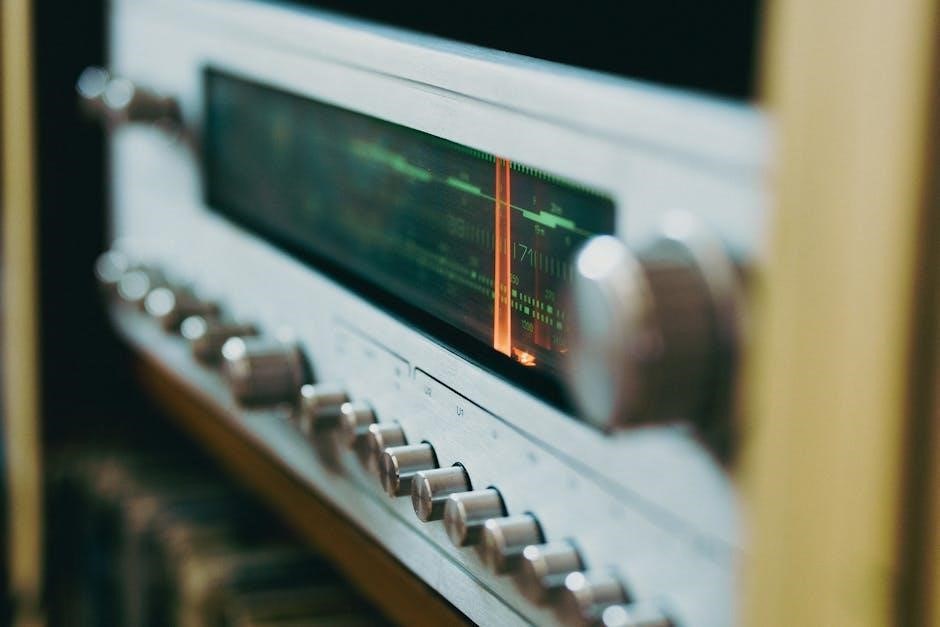
Welcome! This manual provides detailed guidance for Scosche FM transmitters, covering setup, Bluetooth pairing, troubleshooting, and utilizing features like the built-in charger and MagicMount integration.
Scosche’s evolution from automotive audio consulting in 1980 to a diverse tech accessory brand is highlighted, alongside resources for learning more about connectivity.
Scosche FM transmitters represent a convenient solution for enjoying audio from your smartphone, MP3 player, or other devices through your car’s existing radio system. These devices bridge the gap between modern digital audio sources and older analog car stereos, eliminating the need for complex and potentially costly car stereo replacements.

Founded in 1980, Scosche Industries has established itself as a leading innovator in automotive and consumer technology accessories. Their FM transmitters, including popular models like the FMT4, BTFreq, and BTFM4, are designed for ease of use, reliable performance, and seamless integration with your vehicle. Scosche’s commitment to quality and user-friendly design makes their transmitters a popular choice for drivers seeking a simple audio upgrade.
This guide will walk you through the features, setup, and troubleshooting of Scosche FM transmitters, ensuring you can quickly and easily enjoy your favorite music, podcasts, and audiobooks on the road. From Bluetooth pairing to minimizing static interference, we’ll cover everything you need to know to optimize your listening experience.
History of Scosche Industries
Scosche Industries began in 1980, founded by Roger and Scotia Alves as an automotive audio consulting company. This initial focus quickly evolved as the company identified growing needs within the car audio market; Scosche didn’t remain solely a consulting firm; it successfully expanded its product line to encompass a wider range of automotive accessories, including installation hardware and, crucially, audio connectivity solutions like FM transmitters.
Over the decades, Scosche continued to innovate, branching into consumer technology accessories and even power sports equipment. This diversification demonstrates a commitment to adapting to changing technological landscapes and consumer demands. Their dedication to quality and design propelled them to become the number one mount brand in the US and Canada, a testament to their consistent product excellence.
The development of FM transmitters, such as the BTFreq and BTFM4 models, reflects Scosche’s ongoing pursuit of convenient and effective audio solutions. Their history showcases a dedication to simplifying technology and enhancing the driving experience for consumers.
Understanding FM Transmitter Technology
FM Transmitter technology relies on modulating audio signals onto a radio frequency carrier wave within the 87.5 – 108.0 MHz FM broadcast band. This allows audio from devices like smartphones or MP3 players to be broadcast over a short range, receivable by any FM radio. Scosche FM transmitters, like the FMT4 and BTFreq models, essentially act as miniature broadcast stations.
These devices take an audio input – either through a 3.5mm cable or a wireless Bluetooth connection – and convert it into an FM signal. The user then tunes their car radio to a clear frequency matching the transmitter’s output. Modern FM transmitters often include features like digital displays for frequency selection and built-in noise reduction to minimize interference.
Understanding the principles of frequency selection and potential for static is crucial for optimal performance. Choosing a frequency with minimal existing broadcast signals is key to a clear audio experience.
How FM Transmitters Work
Scosche FM transmitters function by intercepting an audio signal and converting it into a radio wave. Initially, audio from a connected device (via Bluetooth or 3.5mm input) is processed. This signal modulates an FM carrier frequency, essentially “piggybacking” the audio onto the radio wave.
The transmitter then amplifies this modulated signal and broadcasts it using a built-in antenna. Your car’s FM radio acts as the receiver, tuning to the same frequency as the transmitter. Once matched, the radio demodulates the signal, extracting the original audio for playback through your vehicle’s speakers.
The BTFreq and BTFM4 models streamline this process with digital displays for precise frequency selection. The quality of the transmission depends on factors like signal strength, interference, and the transmitter’s modulation technology. Proper setup and frequency selection are vital for clear audio.
Benefits of Using an FM Transmitter
Scosche FM transmitters offer a convenient solution for enjoying audio from devices lacking built-in car stereo connectivity. They bypass the need for complex installations, providing a simple, cost-effective upgrade to older vehicles or those without auxiliary inputs.
Bluetooth connectivity allows for wireless streaming of music and hands-free calling, enhancing driving safety and convenience; Models like the BTFreq incorporate built-in chargers, simultaneously powering your devices while transmitting audio. This eliminates the need for separate charging cables.
Furthermore, Scosche’s integration with the MagicMount system provides secure and versatile mounting options. FM transmitters offer broad compatibility, working with smartphones, MP3 players, and other audio sources. They represent a flexible and adaptable audio solution for any vehicle.
Scosche FMT4 FM Transmitter: Overview
The Scosche FMT4 FM Transmitter is a popular choice for upgrading in-car audio experiences. This model, identified by FCC ID IKQFMT4, delivers wireless audio streaming from Bluetooth-enabled devices directly to your car’s FM radio.
Designed for ease of use, the FMT4 features a clear digital display for frequency selection and song information. It boasts a built-in charger, providing convenient power to your smartphone or other USB-powered devices during use. The transmitter supports both Bluetooth pairing and a 3.5mm auxiliary input for versatile connectivity.
Scosche prioritizes seamless integration, and the FMT4 is compatible with their MagicMount system, offering secure mounting options. It’s a compact and efficient solution for bringing modern audio capabilities to any vehicle, enhancing both entertainment and communication while on the road.

Key Features of the Scosche FMT4
The Scosche FMT4 distinguishes itself with several core features. Bluetooth connectivity allows for wireless audio streaming from smartphones and tablets, eliminating cable clutter. A built-in USB charger efficiently powers devices while in use, ensuring uninterrupted playback and accessibility.
The digital display provides clear visibility of the selected FM frequency and track information, simplifying operation. Compatibility with Scosche’s MagicMount system enables secure and versatile mounting options within your vehicle. The inclusion of a 3.5mm auxiliary input offers an alternative connection method for non-Bluetooth devices.
Furthermore, the FMT4 supports FM radio mode, allowing you to switch back to traditional broadcasts; Its compact design ensures it won’t obstruct your view, and the overall build quality reflects Scosche’s commitment to durable, reliable accessories.
Setting Up Your Scosche FM Transmitter
Initial setup of your Scosche FM transmitter is straightforward. Begin by plugging the device into your vehicle’s 12V accessory outlet. The unit will power on automatically, displaying the current FM frequency. Next, select an open FM frequency – one with minimal static – by using the FMT4’s controls. This is crucial for clear audio transmission.
If utilizing the 3.5mm auxiliary input, connect your audio device using a compatible cable. For Bluetooth pairing (detailed in the next section), ensure your smartphone or tablet’s Bluetooth is enabled. The FMT4 will then be discoverable.
Consider utilizing a Scosche dash kit for a clean and secure installation. Finally, familiarize yourself with the device’s button layout and digital display to optimize your listening experience. Proper setup ensures optimal performance and minimizes potential interference.
Pairing with Bluetooth Devices
Bluetooth pairing with your Scosche FM transmitter is a simple process. First, ensure your smartphone or tablet has Bluetooth enabled and is in discovery mode. On the FMT4, initiate pairing mode – typically by pressing and holding the Bluetooth button, as indicated on the digital display.
The transmitter will then appear in your device’s Bluetooth device list. Select “Scosche FMT4” (or the relevant model number, like BTFreq or BTFM4) to begin pairing. You may be prompted to enter a pairing code; if so, try “0000” or consult the manual.
Once paired, the FMT4 will automatically reconnect to your device each time it powers on. The built-in charger can simultaneously power your device during playback. If experiencing issues, refer to the troubleshooting section for solutions to common Bluetooth pairing problems.
Connecting via 3.5mm Audio Input
Alternative to Bluetooth, your Scosche FM transmitter allows audio input via a standard 3.5mm auxiliary cable. Locate the 3.5mm audio input port on the transmitter – it’s typically on the side or back panel. Connect one end of a 3.5mm audio cable to this port and the other end to the headphone jack of your audio source, such as an MP3 player or smartphone.
Once connected, the transmitter will automatically detect the audio signal and switch to the auxiliary input. Ensure the volume on both your audio source and the transmitter are appropriately adjusted. This method is useful for devices without Bluetooth capability or for a more stable connection.

Remember that using the 3.5mm input disables Bluetooth audio streaming. To revert to Bluetooth, disconnect the cable and re-enable Bluetooth pairing as described in the previous section. Enjoy seamless audio transmission with either connection option!
Troubleshooting Common Issues
Experiencing problems? This section addresses frequent issues with your Scosche FM transmitter. If the device fails to power on, verify the connection to your vehicle’s power source. For Bluetooth pairing failures, ensure Bluetooth is enabled on both devices and the transmitter isn’t already connected to another device. Try resetting the transmitter by briefly disconnecting and reconnecting it to power.
Audio distortion or static? This often indicates interference. Try changing the FM frequency to a clearer channel (see ‘Static Interference’ section). If using the 3.5mm input, check the cable connection and audio source volume. A weak signal from your audio source can also cause issues.
If problems persist, consult the Scosche Resource Center for FAQs and support. Remember to check the FCC ID information (IKQBTFM & IKQBTFM3) if required for compliance inquiries.
Static Interference and How to Reduce It
Dealing with static? FM transmitters can be susceptible to interference from other radio signals. The primary solution is to change the transmission frequency. Scan through available FM channels on your car radio and select a frequency with minimal static. Avoid frequencies used by local radio stations for the clearest signal.
Environmental factors can also contribute. Tall buildings, power lines, and even other electronic devices can cause interference. Try relocating the transmitter slightly within your vehicle. Ensure the transmitter’s antenna is fully extended and positioned away from metal objects.
Signal strength from your audio source impacts clarity. A higher volume on your connected device can improve the signal-to-noise ratio. If using Bluetooth, ensure a stable connection. Refer to the ‘Bluetooth Pairing Problems’ section for assistance. Scosche prioritizes clear audio, but external factors can sometimes necessitate adjustments.
Bluetooth Pairing Problems
Experiencing Bluetooth connection issues? First, ensure Bluetooth is enabled on both your Scosche FM transmitter and your audio device (smartphone, tablet, etc.). Verify the transmitter isn’t already connected to another device – it can typically only pair with one device at a time. Delete previous pairings on both devices and restart the pairing process.
Pairing mode activation is crucial. Consult the ‘Pairing with Bluetooth Devices’ section for specific instructions on activating pairing mode on your Scosche model (FMT4, BTFreq, or BTFM4). Keep the devices within close proximity during pairing – ideally within 3 feet.
Interference from other Bluetooth devices can disrupt pairing. Temporarily disable Bluetooth on nearby devices. If problems persist, try resetting the Scosche transmitter to its factory defaults (refer to the full manual for reset procedures). Scosche aims for seamless connectivity, but occasional troubleshooting may be needed.
Scosche BTFreq & BTFM4 Models: Specific Instructions
BTFreq and BTFM4 models offer unique features. The BTFreq boasts a digital display and streams wireless music via FM transmission, alongside a built-in charger and convenient controls; For both models, the digital display provides crucial information like frequency and track details.
To adjust the FM frequency, use the designated buttons on the device. Scan for a clear frequency with minimal static. The BTFM4, similar to the BTFreq, prioritizes hands-free calling and audio streaming. Ensure the microphone is positioned correctly for optimal call quality.
Utilizing the built-in charger is straightforward – simply connect your device via USB. These models are also compatible with Scosche’s MagicMount system; apply the replacement plates for secure magnetic mounting. Refer to the full manual for detailed diagrams and troubleshooting specific to these models.
Digital Display Functionality
The digital display on Scosche FM transmitters, particularly models like the BTFreq and BTFM4, is central to user control and information. It clearly shows the currently selected FM frequency, allowing for easy adjustment to avoid interference. Beyond frequency, the display often indicates the track number or song title when streaming audio via Bluetooth.
Visual cues also confirm Bluetooth pairing status, displaying icons to show a successful connection. Some models utilize the display to indicate incoming call notifications or volume levels. Understanding these icons is key to maximizing the transmitter’s functionality.
Brightness adjustment may be available on certain models, enhancing visibility in varying lighting conditions. Refer to the specific model’s manual for details on navigating the display’s features and interpreting all displayed information. The display is a vital interface for a seamless user experience.
Built-in Charger Usage
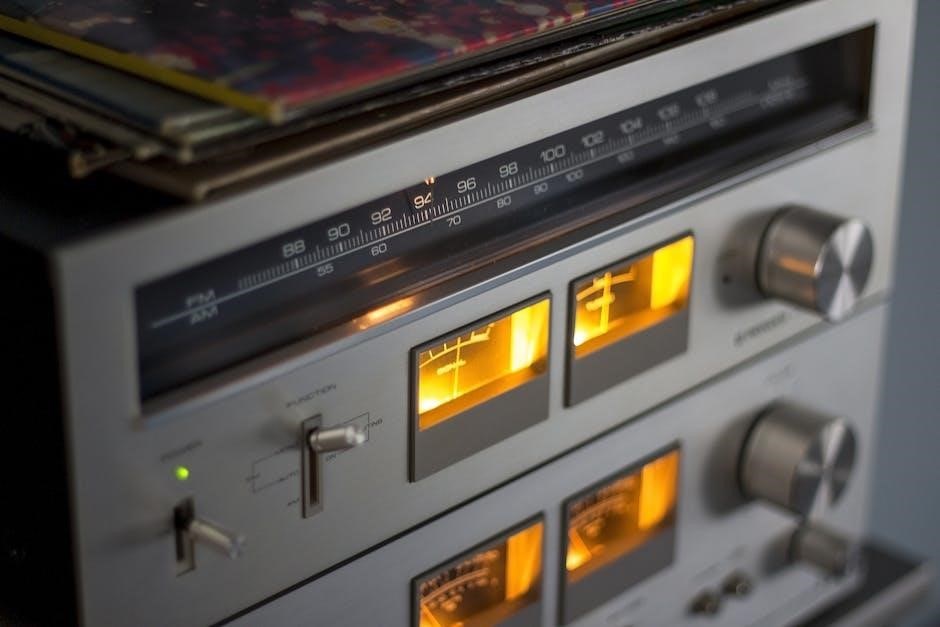
Scosche FM transmitters, like the BTFreq and BTFM4, often include a convenient built-in charger, typically a USB port, to power your mobile devices while in use. This feature allows you to simultaneously charge your smartphone or tablet during audio streaming or hands-free calling.
Charging capabilities vary by model; some offer standard charging speeds, while others support faster charging protocols. Always use a compatible USB cable to ensure optimal charging performance. Avoid connecting multiple high-drain devices simultaneously, as this may reduce charging efficiency or cause instability.
Monitor the charging process and disconnect devices once fully charged to conserve energy and prolong battery life. The built-in charger enhances the transmitter’s versatility, providing a practical solution for keeping your devices powered on the go. Refer to your model’s specifications for detailed charging output information.
Scosche MagicMount Integration
Scosche seamlessly integrates its FM transmitters with the renowned MagicMount magnetic mounting system, offering a secure and convenient way to position your mobile devices within reach. This integration enhances usability and safety while driving.
To utilize MagicMount, simply apply a Scosche replacement plate to the back of your smartphone or tablet. These plates adhere directly to your device or its case, creating a magnetic connection point. Then, attach a MagicMount magnetic mount to your vehicle’s dashboard or windshield.
The transmitter magnetically attaches to the mount, providing a stable and adjustable viewing angle. Scosche offers a wide range of MagicMount products, ensuring compatibility with various devices and vehicle interiors. This system eliminates the need for cumbersome clamps or cradles, offering a clean and streamlined mounting solution.
Dash Kit Installation Guide
Scosche dash kits are engineered for a seamless and professional installation of your FM transmitter into your vehicle’s dashboard. These kits are recognized as the best in the industry, ensuring a clean and secure fit without requiring extensive modifications.
Installation typically involves removing the existing factory radio trim pieces, utilizing the Scosche kit’s brackets and hardware to mount the transmitter securely. The kits are designed to match the contours and color scheme of your vehicle’s interior, providing an aesthetically pleasing result.

Scosche offers a comprehensive selection of dash kits, covering a wide range of vehicle makes and models. Before beginning installation, consult the specific instructions included with your dash kit to ensure proper fitment and avoid damaging your vehicle’s interior. A properly installed dash kit enhances the overall look and functionality of your FM transmitter setup.
Scosche Resource Center & Support
Scosche provides a comprehensive Resource Center designed to empower users with the knowledge to maximize their experience with Scosche products, including FM transmitters. This online hub offers valuable information on a variety of topics, such as charging techniques, connection protocols, and power management best practices.
Whether you’re seeking guidance on Bluetooth pairing, troubleshooting static interference, or understanding the functionality of the digital display, the Resource Center is an invaluable tool. It’s designed to answer frequently asked questions and provide clear, concise explanations.
For further assistance, Scosche offers dedicated customer support channels. Users can access detailed product manuals, FAQs, and contact information for direct support. Scosche is committed to ensuring customer satisfaction and providing the resources needed for a seamless user experience with their innovative tech accessories.
FCC ID Information (IKQBTFM & IKQBTFM3)
Scosche FM transmitters, specifically models utilizing Bluetooth technology, are subject to Federal Communications Commission (FCC) regulations. This ensures compliance with standards for radio frequency emissions and safe operation.
The FCC ID for certain Scosche Bluetooth FM Transmitter models is IKQBTFM. This unique identifier is crucial for regulatory purposes and can be found on the device itself or its packaging. Another model, the BTFM3, carries the FCC ID IKQBTFM3.
Detailed documentation related to these FCC IDs, including user manuals and technical specifications, are publicly available through the FCC database. These documents outline the device’s operational characteristics and adherence to FCC guidelines. Compliance with these regulations guarantees that the Scosche FM transmitter operates within legal limits and does not cause harmful interference to other devices.
Safety Precautions and Warranty Information
Prioritize safety when using your Scosche FM transmitter. Avoid operating the device in environments with extreme temperatures or high humidity. Do not disassemble or attempt to repair the unit yourself, as this will void the warranty and could pose a safety risk.

Ensure the device is securely mounted, especially while driving, to prevent distractions. Keep the transmitter away from liquids and avoid prolonged exposure to direct sunlight. Always disconnect the device from the vehicle’s power source when not in use for extended periods.
Scosche Industries offers a warranty against defects in materials and workmanship. The specific warranty period and coverage details vary by product; consult your purchase documentation or visit the Scosche Resource Center for complete information. Proof of purchase is typically required for warranty claims. Retain your receipt for warranty service.