Microneedling Instructions: A Comprehensive Guide
Microneedling, involving tiny punctures, gains popularity for skincare; this guide details procedures, from at-home rollers to professional treatments, emphasizing safety and expected results․
What is Microneedling?
Microneedling is a dermatological treatment that involves the use of a device containing tiny, fine needles to create controlled micro-injuries to the skin․ These minuscule punctures trigger the body’s natural wound healing process, stimulating collagen and elastin production․ This, in turn, leads to improvements in skin texture, firmness, and overall appearance․
Essentially, it’s a method of “controlled injury” that encourages the skin to regenerate itself․ While the idea of intentionally creating punctures might sound daunting, the needles used are incredibly small, and the procedure is generally well-tolerated․ It’s a versatile treatment addressing concerns like acne scars, wrinkles, and uneven skin tone․ Both in-office procedures and at-home devices are available, though precision and depth vary significantly․

Benefits of Microneedling
Microneedling offers a wide array of skin benefits, primarily stemming from its collagen-induction therapy․ It effectively minimizes the appearance of acne scars and other surface imperfections, resulting in smoother skin texture․ Fine lines and wrinkles are visibly reduced as collagen plumps the skin, restoring youthful volume․
Beyond aesthetics, microneedling can improve the absorption of topical skincare products, maximizing their effectiveness․ It addresses pigmentation issues, like sunspots and melasma, promoting a more even skin tone․ Some experience a reduction in pore size due to skin tightening․ Overall, it’s a rejuvenating treatment offering noticeable improvements in skin health and appearance, boosting confidence․
Types of Microneedling Devices
Microneedling devices vary in design and needle length, impacting treatment intensity and suitability․ Derma rollers, handheld tools with rotating needles, are popular for at-home use, typically featuring shorter needles (0․5mm or less) for safety; They require manual effort and consistent pressure for effective coverage․
Microneedling pens, however, offer greater precision and control․ These motorized devices stamp needles vertically into the skin, allowing for adjustable depth and speed․ Professional treatments often utilize pens for deeper penetration and more targeted results․ Newer devices even incorporate infrared technology for enhanced benefits, offering a more advanced approach to skin rejuvenation․
Derma Rollers
Derma rollers are a widely accessible entry point into at-home microneedling․ These handheld devices feature a cylindrical head studded with tiny, closely-packed needles, typically ranging from 0․2mm to 3․0mm in length․ Shorter needles (0․2-0․5mm) are generally recommended for home use, focusing on superficial skin concerns like texture and pore size․
Using a derma roller involves rolling the device across the skin in multiple directions, applying gentle pressure․ Proper sanitation is crucial to prevent infection; thorough disinfection with alcohol is essential before and after each use․ While affordable, derma rollers require consistent technique to achieve noticeable results and may not deliver the precision of other devices․
Microneedling Pens
Microneedling pens represent a more advanced approach to the treatment, offering greater control and precision compared to derma rollers․ These motorized devices utilize a disposable needle cartridge with multiple tiny needles that vertically puncture the skin․ Adjustable needle depths allow for customization based on skin concerns and treatment areas․
Pens enable targeted treatment of specific areas, like around the eyes or scars, with reduced risk of dragging or uneven pressure․ Professional-grade pens can achieve deeper penetration, yielding more significant results․ However, they typically come with a higher price tag and require a steeper learning curve for safe and effective operation․
Preparing for a Microneedling Session
Proper preparation is crucial for a successful and safe microneedling experience․ Begin by discontinuing the use of exfoliating acids (AHAs/BHAs) and retinoids at least three to seven days prior, to avoid irritation․ Avoid waxing, threading, or laser treatments for at least two weeks beforehand․ Ensure your skin is clean and free of makeup, oil, and lotions․
Gentle cleansing and disinfection with a mild cleanser and antiseptic solution are essential․ Consider applying a numbing cream 30-60 minutes before the session, especially for sensitive skin or deeper needle lengths․ Carefully assess your skin and choose the appropriate needle length based on your concerns and experience level․

Skin Cleansing and Disinfection
Thorough cleansing is paramount before microneedling to minimize infection risk and maximize treatment efficacy․ Start with a gentle, non-abrasive cleanser to remove all traces of makeup, dirt, and oil․ Rinse thoroughly with lukewarm water and pat dry with a clean, disposable towel․
Next, disinfect the treatment area using a sterile antiseptic solution, such as isopropyl alcohol or chlorhexidine․ Apply the solution gently with a cotton pad, ensuring complete coverage․ Allow the disinfectant to air dry completely before proceeding with the microneedling procedure․ This step is non-negotiable for maintaining skin health․
Choosing the Right Needle Length
Needle length significantly impacts microneedling results and safety․ For at-home use, 0․5mm or less is generally recommended to minimize risk and target superficial skin concerns like texture and pore size․ Longer needles (over 0․5mm) should only be used by trained professionals․
Shorter needles stimulate collagen production in the epidermis, while longer needles reach the dermis for more significant remodeling․ Consider your skin type, concerns, and experience level․ Beginners should always start with the shortest possible needle length and gradually increase if needed, observing skin response carefully․
Microneedling Procedure: Step-by-Step

Begin by sectioning the face into six areas: cheeks, forehead, chin/jawline, eye area (with extreme caution), nose, and lips․ This ensures complete coverage and methodical treatment․ Switch on your microneedling pen, becoming accustomed to the sensation before applying to skin․
Glide the device smoothly across each section, using a consistent pattern – vertical, horizontal, and diagonal passes are common․ Avoid excessive pressure; let the needles do the work․ Maintain a steady pace and avoid dragging․ Repeat each section 2-3 times, depending on your chosen needle length and skin tolerance;

Sectioning the Face
Dividing the face into distinct areas is crucial for a thorough and organized microneedling session․ Begin with the cheeks, treating each side separately․ Next, address the forehead, working from the center outwards․ The chin and jawline form another section, requiring careful attention to contours․
The delicate eye area demands extreme caution and potentially a separate, smaller device or a very gentle approach․ The nose and upper lip are smaller sections, needing precise movements․ Finally, the lips themselves should be treated last, with minimal pressure․ This systematic approach ensures no area is overlooked․
Needling Technique and Pressure
Employing the correct technique is paramount during microneedling․ Glide the device smoothly across the skin, avoiding dragging or pressing too hard․ Maintain a consistent speed and direction – typically, vertical passes followed by horizontal and diagonal ones․ Light pressure is key; the goal isn’t to cause significant pain, but controlled micro-injuries․
Avoid excessive pressure, which can lead to trauma and prolonged healing․ Don’t be alarmed by the device switching on; it’s normal․ Focus on overlapping passes slightly to ensure complete coverage․ Remember, less is often more – start with minimal pressure and gradually increase if needed, always monitoring the skin’s response․
Post-Microneedling Care
Following a microneedling session, diligent aftercare is crucial for optimal healing and results․ Immediately post-treatment, the skin will be red and sensitive, resembling a mild sunburn․ Avoid harsh products, makeup, and direct sun exposure for at least 24 hours․ Gentle hydration with a soothing serum or moisturizer is essential․
Long-term, maintain a simple skincare routine focused on hydration and sun protection․ Incorporate calming ingredients like hyaluronic acid and aloe vera․ Avoid active ingredients like retinoids or strong acids for several days․ Listen to your skin; adjust your routine based on its needs, prioritizing gentle care and consistent SPF use․
Immediate Aftercare (First 24 Hours)
The initial 24 hours post-microneedling demand gentle handling․ Expect redness, sensitivity, and potentially pinpoint bleeding – this is normal․ Avoid touching your face unnecessarily to prevent infection․ Absolutely no makeup, harsh cleansers, exfoliants, or active ingredients (retinoids, acids) should be used․
Focus on keeping the skin hydrated with a gentle, fragrance-free moisturizer․ Cool compresses can help reduce redness and inflammation․ Avoid strenuous exercise and excessive sweating․ Protect your skin from direct sunlight; if outdoors, wear a hat․ Prioritize rest and allow your skin to begin its natural healing process undisturbed․
Long-Term Skincare Routine
Following microneedling, a consistent, gentle skincare routine is crucial for maintaining results․ Continue prioritizing hydration with a quality moisturizer, and always use broad-spectrum SPF 30 or higher daily, even on cloudy days․ Introduce active ingredients slowly, starting with low concentrations, to avoid irritation․

Consider incorporating antioxidants like Vitamin C to further protect and rejuvenate the skin․ Avoid harsh exfoliants for at least a week post-treatment․ Focus on nourishing and supporting the skin’s barrier function․ A simple, consistent routine will maximize the benefits of microneedling and promote long-term skin health․
Potential Side Effects and Risks
While generally safe, microneedling can cause temporary redness, swelling, and pinpoint bleeding immediately after the procedure․ These typically subside within a few days․ Common side effects include dryness, flaking, and increased sensitivity to sunlight․ Proper aftercare minimizes these effects․
Serious complications are rare but can include infection, hyperpigmentation, or scarring, especially with improper technique or device sterilization․ Seek medical attention if you experience signs of infection (increased pain, pus, fever) or persistent, unusual skin changes․ Always prioritize safety and hygiene to mitigate potential risks․
Common Side Effects
Following a microneedling session, expect some degree of redness and mild swelling, resembling a sunburn, which usually diminishes within 24-48 hours․ Pinpoint bleeding is normal during the procedure and quickly resolves․ Skin may feel tight, dry, and slightly sensitive to the touch․ Flaking or peeling is a natural part of the skin’s renewal process․
Increased sun sensitivity is a significant concern; diligent sunscreen use is crucial․ Some individuals may experience minor bruising, particularly around the eyes; These side effects are typically temporary and indicate the skin’s healing response, but proper aftercare is essential for minimizing discomfort․
Serious Complications and When to Seek Help
Although rare, serious complications from microneedling can occur․ These include infection, evidenced by increasing pain, swelling, pus, or fever, requiring immediate medical attention․ Allergic reactions to topical anesthetics or serums are possible, presenting as hives or difficulty breathing․ Hyperpigmentation or hypopigmentation, changes in skin color, can occur, especially in darker skin tones․
Scarring is a very uncommon but potential risk․ Seek professional help if you experience prolonged or severe symptoms, signs of infection, or any concerning changes in your skin․ Prompt intervention can mitigate potential long-term issues and ensure optimal healing․
Microneedling at Home vs․ Professional Treatment
At-home microneedling utilizes devices like derma rollers or pens with shorter needle lengths (0․5mm or less) for superficial treatments․ While convenient and cost-effective, results are typically less dramatic and require consistent use․ Safety is paramount; proper sanitation and technique are crucial to avoid infection or skin damage․
Professional microneedling, performed by trained estheticians or dermatologists, employs longer needles, achieving deeper penetration and more significant results․ Precision and control are enhanced, minimizing risks and maximizing efficacy․ Professional treatments often incorporate specialized serums for targeted concerns, offering a more comprehensive approach․
Safety Considerations for Home Use
Prioritize hygiene: thoroughly disinfect your device before and after each use with isopropyl alcohol․ Never share your device to prevent cross-contamination․ Needle length matters; stick to 0․5mm or less to minimize risk․ Avoid inflamed skin, active acne, or open wounds․ Always perform a patch test before full-face treatment․
Gentle pressure is key – avoid excessive force that could cause trauma․ Follow a strict skincare routine post-treatment, focusing on hydration and sun protection․ Be aware of potential side effects like redness or mild irritation, and discontinue use if severe reactions occur․ Consult a dermatologist if you have concerns․
Advantages of Professional Microneedling
Professional microneedling offers precision and deeper penetration using longer needles, achieving more significant results for concerns like scarring and wrinkles․ Experienced practitioners can customize treatments based on individual skin types and needs, maximizing efficacy and minimizing risks․ Sterile environments and proper technique reduce the chance of infection or adverse reactions․
Advanced devices allow for controlled energy delivery and adjustable needle depths․ Professionals can incorporate serums and growth factors during the procedure, enhancing collagen induction․ Expect a more noticeable improvement in skin texture and tone with fewer sessions compared to at-home methods․ Post-treatment guidance ensures optimal healing and results․
Frequency of Microneedling Treatments
Microneedling frequency depends on needle depth and individual skin response․ For collagen induction, a typical course involves 3-6 sessions spaced 4-6 weeks apart․ Initial treatments focus on building a foundation, while subsequent sessions refine results․ At-home rollers, using shorter needles, may be used more frequently – every 1-2 weeks – but with caution․
Professional treatments with deeper penetration require longer recovery periods, dictating the spacing․ Maintenance sessions, every 6-12 months, can sustain improvements․ Listen to your skin; avoid over-treating, which can cause irritation․ Factors like age, skin condition, and treatment goals influence the optimal schedule․
Contraindications: Who Should Avoid Microneedling?
Microneedling isn’t suitable for everyone․ Individuals with active acne, eczema, psoriasis, or other skin infections should postpone treatment․ Pregnancy and breastfeeding are absolute contraindications due to hormonal changes․ Blood-thinning medications increase bleeding risk, requiring physician consultation․
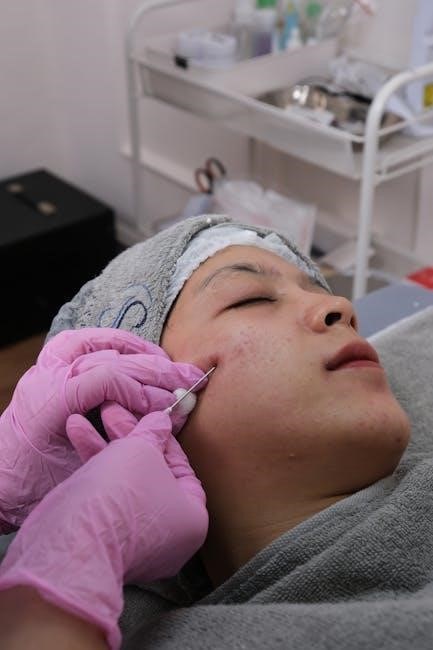
Those with keloid scars, or a history of them, should avoid microneedling as it may exacerbate scarring․ Recent sun exposure or sunburns necessitate waiting until skin heals․ Certain skin cancers or undergoing radiation therapy are also contraindications․ Always disclose your medical history to a practitioner․
Infrared Wearable Beauty Devices & Microneedling
MesoLyft Technologies Inc․ expanded its line to include infrared wearable beauty devices alongside microneedling solutions, offering a combined approach to skincare․ These devices aim to enhance collagen production and skin rejuvenation when used in conjunction with microneedling treatments․
Infrared light therapy can potentially boost the benefits of microneedling by stimulating cellular activity and improving product absorption․ However, it’s crucial to follow manufacturer instructions and consult with a skincare professional to determine if this combination is suitable for your skin type and concerns․ Proper usage maximizes results․
Listening to Your Skin: A Crucial Element
Regardless of the microneedling form—at-home or professional—observing your skin’s response is paramount․ Redness, mild swelling, and sensitivity are typical immediately post-treatment, but persistent or worsening irritation demands attention․ Pay close heed to any unusual reactions, such as excessive pain, blistering, or signs of infection․
Adjust treatment frequency and intensity based on your skin’s tolerance․ If your skin feels compromised, postpone further sessions and prioritize hydration and soothing care․ Remember, patience and a gentle approach yield the best, safest results․ Your skin’s signals guide a successful microneedling journey․