South East Queensland Vegetable Planting Guide ౼ Overview
South East Queensland’s diverse climate allows year-round vegetable gardening, but strategic planting is key for success; utilize a calendar for optimal results!
Understanding the SEQ Climate
South East Queensland (SEQ) boasts a subtropical climate characterized by warm, humid summers and mild, dry winters. This presents a unique opportunity for diverse vegetable cultivation throughout the year. However, understanding the nuances of this climate is crucial for successful gardening.
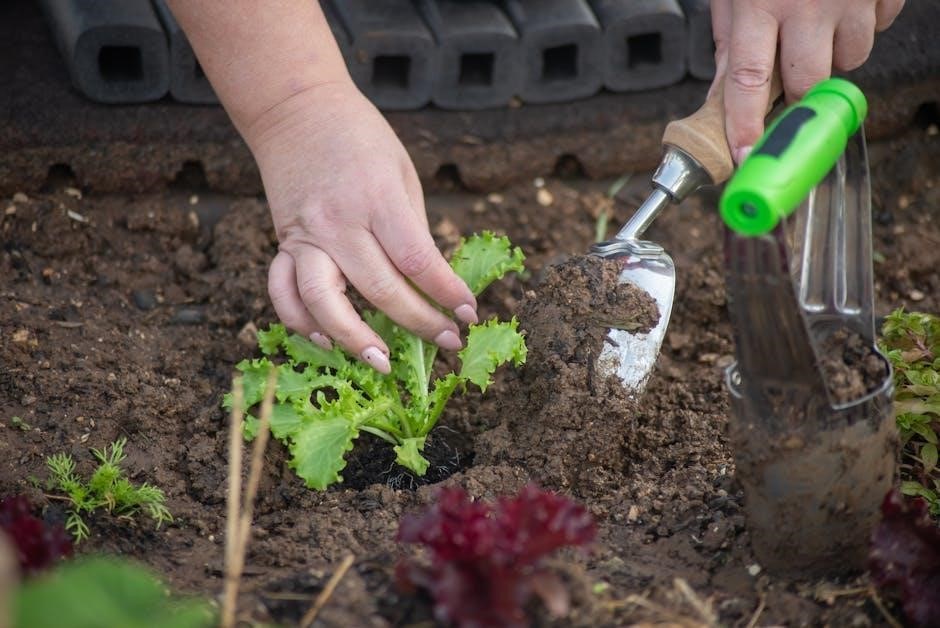
SEQ experiences significant seasonal variations. Summers (December-February) are hot and humid, demanding heat-tolerant varieties and consistent watering. Winters (June-August) are generally mild, though frosts can occur in certain microclimates. Spring (September-November) and Autumn (March-May) offer more temperate conditions, ideal for a wider range of vegetables.
Rainfall patterns are also important. The wet season typically runs from November to February, while winter tends to be drier. Gardeners should plan planting schedules accordingly, considering potential for heavy rainfall or periods of drought. Monitoring local weather forecasts is essential for adapting to changing conditions and protecting your crops.
Microclimates within SEQ
South East Queensland isn’t a single, uniform climate zone; significant microclimates exist, impacting vegetable gardening success. Altitude, aspect (direction a slope faces), and proximity to the coast all create localized variations.
Coastal areas generally experience milder temperatures and higher humidity, suitable for subtropical plants. Inland areas, particularly those at higher elevations, can experience cooler temperatures and even frosts. North-facing gardens receive less direct sunlight, while south-facing gardens are more exposed.
Urban areas create ‘heat islands’ due to concrete and asphalt, potentially extending the growing season for heat-loving vegetables. Conversely, sheltered gardens protected from wind experience reduced evaporation and can retain moisture longer. Understanding your specific microclimate allows for tailored planting choices and protective measures, maximizing yields and minimizing risks.

Seasonal Planting Guide
South East Queensland’s mild climate supports year-round vegetable cultivation; however, aligning planting with seasons optimizes growth and yields for best results.
Spring Planting (September ⎯ November)
Spring in South East Queensland (September to November) is a fantastic time to get a head start on warmer-season crops. As temperatures rise, the soil warms, creating ideal conditions for germination and growth. This period allows for a diverse range of vegetables to be sown directly into the garden or transplanted as seedlings.
Consider planting lettuce, rocket, and silverbeet during this time. Flowers like begonias, dahlias, and salvias also thrive. Herbs such as mint, oregano, and thyme can be established now. Preparing the soil is crucial; enrich it with compost and well-rotted manure to provide essential nutrients. Ensure good drainage to prevent waterlogging, especially after rainfall. Spring is also an excellent opportunity to begin succession planting, staggering sowing dates to ensure a continuous harvest throughout the warmer months.
Vegetables to Plant in Spring
South East Queensland’s spring (September-November) offers a bountiful selection of vegetables for planting. Leafy greens like lettuce, rocket, and silverbeet flourish in the milder temperatures. Warm-season staples such as tomatoes and capsicums can be started from seedlings, benefiting from the increasing warmth. Root vegetables, including carrots and radishes, also thrive when sown directly into the garden bed during this period.
Beans, cucumbers, and zucchini are excellent choices for spring planting, providing a plentiful harvest throughout summer. Consider planting quick-growing varieties for an early yield. Don’t forget herbs! Mint, oregano, and thyme establish well in spring, adding flavour to your culinary creations. Prioritize selecting disease-resistant varieties to minimize potential problems later in the season, ensuring a healthy and productive garden.
Preparing the Soil in Spring
Spring is the ideal time to revitalize your South East Queensland garden soil. Begin by removing any winter debris and weeds. Incorporate plenty of organic matter, such as compost or well-rotted manure, to improve soil structure and fertility. This enhances drainage and provides essential nutrients for growing vegetables.
Ensure good drainage is present to prevent waterlogging, a common issue in SEQ’s wetter months. Digging or forking the soil loosens it, allowing roots to penetrate easily. A soil pH test is recommended; most vegetables prefer a slightly acidic to neutral pH (around 6.0-7.0). Amend the soil accordingly with lime to raise pH or sulfur to lower it. Raised garden beds are particularly beneficial, improving drainage and warming the soil faster. Proper soil preparation sets the stage for a successful and abundant spring harvest.
Summer Planting (December ⎯ February)
Summer in South East Queensland presents unique challenges for vegetable gardening, demanding careful selection and planning. High temperatures and humidity require focusing on heat-tolerant varieties. This is the time to plant those robust crops that thrive in warmer conditions, ensuring a continuous harvest throughout the season.
Consider planting beans, cucumbers, eggplant, and sweet potatoes, as they withstand the heat well. Mulching heavily is crucial to retain soil moisture and suppress weeds. Be prepared for increased pest activity during these months and implement preventative measures. Consistent monitoring and prompt action are key to protecting your crops. Remember that summer rainfall can be intense, so ensure adequate drainage to avoid waterlogging. Strategic summer planting maximizes yields despite the challenging climate.
Heat-Tolerant Vegetables for Summer
South East Queensland’s summer heat demands selecting vegetables capable of thriving in high temperatures. Several varieties excel during December-February. Eggplant, known for its robust nature, consistently performs well, alongside sweet potatoes, which relish the warmth. Beans, particularly bush beans, offer a reliable summer crop, as do cucumbers, provided they receive consistent moisture.
Okra is exceptionally heat-tolerant and productive. Certain tomato varieties, specifically those bred for warmer climates, can also succeed with diligent care. Capsicums, while needing more attention, can yield a harvest with adequate shading and watering. Consider planting these alongside heat-loving herbs like basil and rosemary. Remember, even heat-tolerant plants benefit from afternoon shade and consistent, deep watering to combat the intense summer sun and maintain optimal growth.
Watering Strategies for Summer
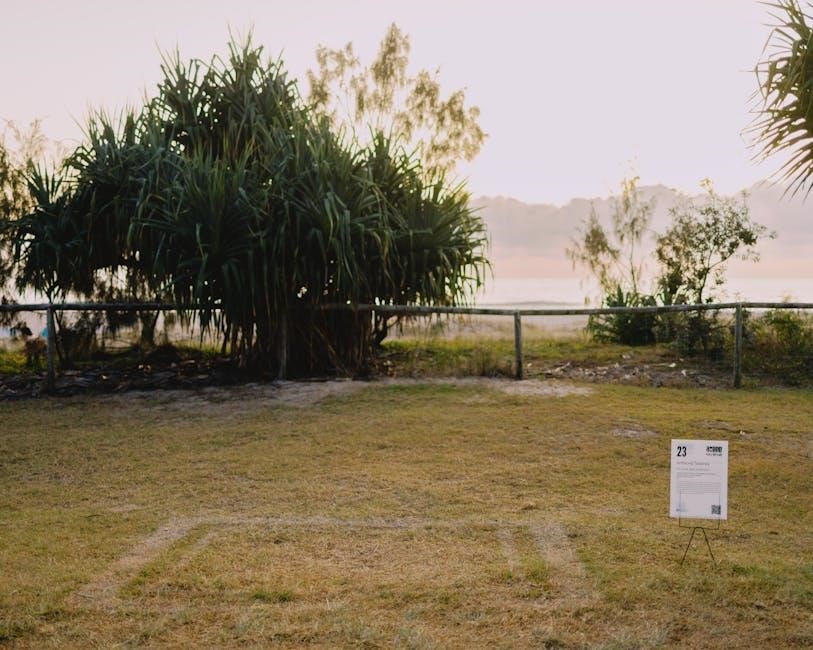
Summer in South East Queensland necessitates a strategic approach to watering vegetables. Evaporation rates are high, demanding more frequent and thorough irrigation. Deep watering, less often, encourages robust root development, making plants more resilient. Aim to water early in the morning to minimize water loss through evaporation and reduce the risk of fungal diseases.
Mulching heavily around plants is crucial; it conserves soil moisture, suppresses weeds, and regulates soil temperature. Consider using organic mulches like straw, sugar cane mulch, or wood chips. Drip irrigation or soaker hoses deliver water directly to the roots, maximizing efficiency. Monitor soil moisture levels regularly – don’t rely solely on a schedule. Adjust watering based on rainfall and plant needs, prioritizing those showing signs of stress. Consistent moisture is key to preventing blossom-end rot in tomatoes and capsicums.
Autumn Planting (March ⎯ May)
Autumn (March-May) in South East Queensland presents an ideal time for transitioning to cool-season vegetables. As temperatures moderate, it’s a prime window for sowing seeds and transplanting seedlings. Soil temperatures remain warm enough for germination, yet the intense summer heat has subsided, reducing stress on young plants.
This period allows for a second planting of some fast-maturing crops, extending the harvest season. Focus on leafy greens like lettuce and spinach, root vegetables such as carrots and radishes, and brassicas like broccoli and cabbage. Succession planting – sowing small batches of seeds every few weeks – ensures a continuous supply. Prepare garden beds with compost and well-rotted manure to enrich the soil. Autumn’s cooler temperatures and increased rainfall often require less frequent watering compared to summer.
Cool-Season Vegetables for Autumn
Autumn in South East Queensland is perfect for a bounty of cool-season vegetables. Leafy greens thrive – consider lettuce, spinach, silverbeet, and rocket for salads and nutritious sides. Root vegetables like carrots, radishes, and beetroot enjoy the cooler soil temperatures, developing excellent flavour. Brassicas, including broccoli, cabbage, cauliflower, and kale, flourish during this time, providing hearty meals.
Other excellent choices include peas and broad beans, adding nitrogen to the soil, and Asian greens like pak choi and bok choy. Herbs like mint, oregano, and thyme also benefit from the milder weather. Remember to protect young seedlings from potential frosts with horticultural fleece or cloches. Properly spaced planting ensures good air circulation, reducing the risk of fungal diseases common in humid conditions.
Succession Planting in Autumn
Autumn presents an ideal opportunity for succession planting in South East Queensland, maximizing your harvest throughout the cooler months. Staggered sowings of fast-growing crops like lettuce and radishes every two to three weeks ensure a continuous supply. Similarly, plant multiple rows of spinach or kale, harvesting the outer leaves as needed while the inner leaves continue to grow.
Extend the harvest of root vegetables by sowing carrots and beetroot in batches. Interplant quick-maturing crops between slower-growing ones, such as radishes between rows of carrots. This utilizes space efficiently. Consider planting a second crop of peas or broad beans after harvesting the first. Regularly replenishing the soil with compost or organic matter supports continuous growth. Careful planning and consistent sowing will yield a plentiful autumn and winter garden.

Winter Planting (June ౼ August)
Winter in South East Queensland, spanning June to August, offers a surprisingly productive gardening period. Focus on frost-hardy vegetables that thrive in cooler temperatures. Excellent choices include broccoli, cabbage, cauliflower, kale, and silverbeet. Root vegetables like carrots, beetroot, and turnips also perform well, benefiting from the consistent moisture. Garlic and onions can be planted during this time for a future harvest.
While mild compared to southern regions, SEQ can experience occasional frosts. Protect sensitive plants with frost cloth or relocate potted plants to a sheltered location. Soil preparation is crucial; enrich the soil with compost and well-rotted manure before planting. Consistent watering is still important, even during cooler months, ensuring adequate moisture for healthy growth. Winter gardening in SEQ allows for a continuous supply of fresh produce.
Frost-Hardy Vegetables for Winter
South East Queensland’s winter presents opportunities to cultivate a range of frost-hardy vegetables. Brassicas are particularly well-suited; consider planting broccoli, cabbage, kale, and cauliflower for robust growth even with cooler temperatures. These vegetables actually benefit from a light frost, which can enhance their flavour!
Root vegetables like carrots, beetroot, turnips, and radishes also demonstrate excellent frost tolerance, thriving in the consistently moist winter soil. Leafy greens such as spinach, silverbeet, and lettuce can be grown successfully with some protection. Garlic and onions, planted in winter, establish strong root systems before spring growth. Peas and broad beans are further excellent choices, providing a delicious and nutritious harvest. Remember to select varieties specifically suited to the SEQ climate for optimal results;
Protecting Plants from Frost
While South East Queensland winters are generally mild, occasional frosts can damage sensitive vegetables. Protecting your garden is crucial for a successful harvest. Simple measures like covering plants with frost cloth, old blankets, or plastic sheeting before a frost event can provide significant insulation.
Cloches – miniature greenhouses – offer excellent protection for individual plants. Mulching heavily around the base of plants helps to insulate the roots and retain soil warmth. Watering plants thoroughly before a predicted frost can also help, as moist soil retains heat better than dry soil. Consider relocating potted plants to a sheltered location, such as a garage or under a covered patio. For more established gardens, strategic planting near structures or trees can offer natural windbreaks and frost protection.

Essential Considerations for SEQ Gardens
Successful vegetable gardens in South East Queensland require ample sunlight, well-drained soil, and consistent watering; these factors are paramount for healthy growth!
Sunlight Requirements
Sunlight is a fundamental element for thriving vegetable gardens in South East Queensland. Most vegetables necessitate a minimum of six to eight hours of direct sunlight daily to facilitate robust growth and abundant yields; Insufficient sunlight can lead to leggy plants, reduced flowering, and diminished fruit production.
When selecting a garden location, prioritize areas that receive full sun exposure throughout the majority of the day. Consider the path of the sun, especially during the winter months when sunlight hours are shorter. Tall structures, trees, or fences can cast shadows, limiting sunlight availability.
Leafy greens, such as lettuce and spinach, can tolerate partial shade, particularly during the hotter summer months. However, fruiting vegetables like tomatoes, capsicums, and cucumbers absolutely require full sun to develop properly. Careful observation of your garden’s sunlight patterns will ensure your plants receive the light they need to flourish.
Soil Drainage and Preparation
Effective soil drainage is crucial for successful vegetable gardening in South East Queensland, preventing root rot and ensuring healthy plant growth. Waterlogged soil deprives roots of oxygen, hindering nutrient uptake and potentially leading to plant death. Prior to planting, assess your soil’s drainage capabilities.
Ideally, soil should allow water to percolate through it at a rate of approximately 2-5cm per hour. To improve drainage, incorporate organic matter such as compost, well-rotted manure, or aged straw. This enhances soil structure, creating air pockets for better aeration and water flow.
Soil preparation also involves removing rocks, weeds, and debris. Consider a soil test to determine pH levels and nutrient deficiencies, amending accordingly with lime or fertilizer. Raised garden beds are an excellent option for areas with poor drainage, providing improved soil conditions and easier management.
Watering Techniques

Consistent and appropriate watering is vital for vegetable gardens in South East Queensland’s fluctuating climate. Deep, infrequent watering encourages robust root development, making plants more resilient to heat and drought. Avoid shallow, frequent watering, which promotes surface roots and increases susceptibility to disease.
The best time to water is early morning, minimizing evaporation and allowing foliage to dry before nightfall, reducing fungal issues. Utilize techniques like drip irrigation or soaker hoses to deliver water directly to the root zone, conserving water and reducing leaf wetness.
Monitor soil moisture levels regularly; stick your finger a few centimeters into the soil to assess dryness. Mulching around plants helps retain moisture, suppress weeds, and regulate soil temperature. Adjust watering frequency based on weather conditions and plant needs, especially during hot summer months.

Specific Vegetable Planting Timelines
South East Queensland gardeners benefit from knowing when to sow seeds and transplant seedlings for peak harvests; follow monthly guides for best results!
Lettuce & Leafy Greens
Lettuce, rocket, and silverbeet thrive in South East Queensland’s milder months. Sow seeds directly into garden beds or punnets from September to May for continuous harvests. Successive sowings every few weeks ensure a steady supply, preventing a glut.
During the warmer months, provide afternoon shade to prevent bolting – premature flowering that makes leaves bitter. Consistent moisture is crucial, especially during spring and summer. Leafy greens prefer well-drained soil enriched with compost.
Consider planting different varieties – Romaine, butterhead, and crisphead – for textural and flavour diversity. Protect young seedlings from pests like slugs and snails. Harvesting can begin as soon as leaves are large enough to eat, encouraging further growth. Regular harvesting promotes a longer productive period.
Tomatoes & Capsicums
Tomatoes and capsicums are warm-season staples in South East Queensland, best planted from September to February. Start seeds indoors 6-8 weeks before the last frost, or purchase seedlings from nurseries. Choose a sunny location with at least six hours of direct sunlight daily.
These vegetables require well-drained, fertile soil enriched with compost and organic matter. Provide support for tomato plants with stakes, cages, or trellises to prevent sprawling and fruit rot. Consistent watering is vital, especially during flowering and fruiting.
Capsicums benefit from regular feeding with a balanced fertilizer. Monitor for pests like fruit flies and aphids, implementing appropriate control measures. Succession planting every few weeks extends the harvest period. Protect from late frosts with covers if necessary.
Root Vegetables (Carrots, Radishes)
Carrots and radishes thrive in the cooler months of South East Queensland, making autumn and winter ideal planting times. Radishes are quick growers, maturing in as little as four weeks, while carrots require a longer growing season of 60-80 days.
These root vegetables demand loose, well-drained soil free of stones and clumps to ensure proper development. Amend heavy clay soils with compost and organic matter. Sow seeds directly into the garden bed, thinly and evenly spaced.
Consistent moisture is crucial for germination and root development, but avoid waterlogging. Succession sow radishes every few weeks for a continuous harvest. Protect carrots from carrot fly with netting or companion planting. Enjoy fresh, homegrown root vegetables!