Seven-speed manual transmissions represent a fascinating intersection of performance engineering and driver engagement, offering a unique experience. These gearboxes, though relatively rare,
provide closer ratios for enhanced acceleration and control, appealing to automotive enthusiasts seeking a more connected driving experience.
What is a 7-Speed Manual Transmission?
A 7-speed manual transmission is a type of gearbox with seven forward gear ratios that the driver selects using a shift lever and clutch pedal. Unlike traditional 5 or 6-speed manuals, the additional gear provides a wider spread of ratios, allowing for both closer steps between gears for performance and a taller final drive for improved fuel efficiency.
This configuration aims to optimize engine output across a broader range of speeds. The closer ratios enable the engine to stay within its optimal power band during acceleration, while the taller gear reduces engine RPM at highway speeds. These transmissions are often found in high-performance vehicles where precise control and responsiveness are paramount, offering a more engaging driving experience for enthusiasts who prefer to actively manage gear selection.
Why Choose a 7-Speed Manual?
Opting for a 7-speed manual transmission delivers a uniquely connected driving experience, appealing to enthusiasts who prioritize control and engagement. The closer gear ratios translate to enhanced acceleration and responsiveness, allowing drivers to maintain optimal engine power throughout the rev range. This results in a more exhilarating and precise feel, particularly during spirited driving or track use.
Beyond performance, a 7-speed can potentially improve fuel efficiency by enabling lower engine speeds at cruising velocities. However, the primary draw remains the heightened driver involvement. It’s a deliberate choice for those who relish the tactile feedback and satisfaction of manually selecting each gear, fostering a deeper connection with the vehicle and the road.

Vehicles Featuring 7-Speed Manual Transmissions
A select few high-performance vehicles have embraced the 7-speed manual, including the Porsche 911, Aston Martin Vantage, Chevrolet Corvette C7, and Pagani Utopia.
Porsche 911 (Specific Generations)
Porsche integrated the innovative 7-speed manual transmission into specific 911 generations, notably the 991 and subsequent models, enhancing the sports car’s already celebrated driving dynamics. This gearbox, offered as an option, provided drivers with exceptionally precise gear changes and a more engaging connection to the vehicle. The closer gear ratios allowed for optimized acceleration and improved track performance, catering to enthusiasts who prioritize control and responsiveness.
The 7-speed manual in the 911 wasn’t merely about performance; it also contributed to a more visceral and rewarding driving experience. Porsche’s commitment to offering a manual option, even as automatics gained prevalence, demonstrated their dedication to purist drivers. This transmission became a defining characteristic for certain 911 variants, solidifying its place in Porsche’s storied history and appealing to collectors and driving aficionados alike.
Aston Martin Vantage (Specific Models)
Aston Martin incorporated a 7-speed manual transmission into select Vantage models, primarily to cater to a dedicated segment of drivers who desired a more involved and traditional driving experience. This transmission, often paired with the Vantage’s potent V8 engine, delivered a unique blend of British luxury and raw performance. The availability of a manual option distinguished the Vantage from competitors increasingly focused on automatic or dual-clutch systems.
The 7-speed manual in the Vantage wasn’t simply an afterthought; it was meticulously engineered to complement the car’s character. It offered precise shifts and a satisfying mechanical feel, enhancing the connection between driver and machine. This transmission appealed to enthusiasts who appreciated the art of driving and sought a more engaging and rewarding experience behind the wheel, solidifying the Vantage’s appeal within the performance car landscape.
Chevrolet Corvette C7
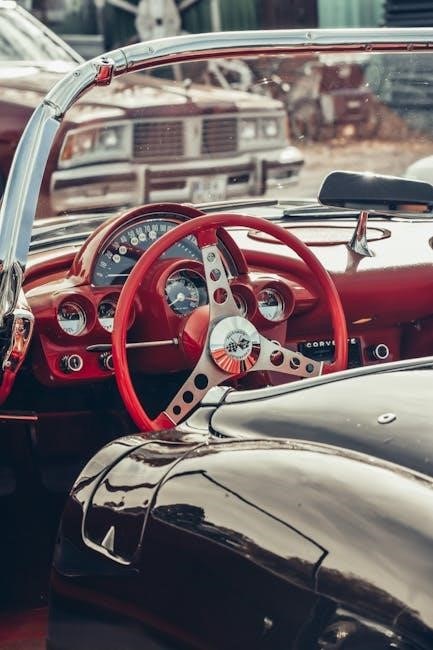
The Chevrolet Corvette C7 marked a significant moment, offering a 7-speed manual transmission as a standard option alongside its advanced automatic counterpart. This transmission, sourced from Tremec, was a key component in delivering the C7’s impressive performance capabilities and driver-focused experience. It allowed Corvette enthusiasts to fully exploit the power of the car’s potent V8 engine, providing precise control over gear selection and engine speed.
The C7’s 7-speed manual wasn’t just about performance; it also contributed to the Corvette’s overall driving enjoyment. The transmission’s robust construction and well-defined shift gates provided a satisfying tactile experience, enhancing the connection between driver and car. This option cemented the C7’s status as a true sports car, appealing to those who valued the engagement and control offered by a manual gearbox.
Pagani Utopia
The Pagani Utopia continues the brand’s commitment to driver engagement by offering a meticulously crafted 7-speed manual transmission. This isn’t simply an afterthought; it’s a core element of the Utopia’s driving experience, designed for purists who demand ultimate control over their hypercar. The transmission is a testament to Pagani’s dedication to analog feel in a world increasingly dominated by automated systems.
Unlike many modern performance cars, the Utopia’s manual isn’t a concession to nostalgia but a deliberate choice to enhance the connection between driver and machine. The gearbox is engineered for precise shifts and a satisfying mechanical feel, complementing the car’s powerful AMG-sourced V12 engine. It represents a rare opportunity to experience a hypercar in its most raw and engaging form, a true driver’s machine.
Technical Aspects of 7-Speed Manuals
Seven-speed manuals utilize intricate gear ratios, often employing the Tremec TR-6060, to deliver optimized performance and a wider spread for varied driving conditions.
Gear Ratios and Their Impact
The defining characteristic of a 7-speed manual transmission lies in its closely spaced gear ratios. Compared to traditional 6-speed setups, the additional gear allows for finer adjustments to engine speed, keeping it consistently within its optimal power band. This translates to quicker acceleration, as the engine spends less time outside of its peak torque and horsepower ranges during shifts.
These tighter ratios also contribute to improved responsiveness and a more engaging driving experience. Each gear change feels more deliberate and connected, allowing the driver to precisely control the vehicle’s performance. Furthermore, the wider overall gear spread – the difference between the lowest and highest gears – can enhance both acceleration and top-speed capabilities. A well-designed 7-speed transmission effectively balances the need for rapid acceleration with the ability to comfortably cruise at highway speeds, optimizing both performance and efficiency.
The Tremec TR-6060: A Common 7-Speed
Among the various 7-speed manual transmissions available, the Tremec TR-6060 has emerged as a particularly prominent and respected unit. Originally designed for high-performance applications, it gained significant recognition through its adoption by the seventh-generation Chevrolet Corvette (C7). Known for its robust construction and precise shifting feel, the TR-6060 quickly became a favorite among enthusiasts.
The transmission’s popularity stems from its ability to handle substantial power and torque, making it suitable for both naturally aspirated and forced-induction engines. Its internal design prioritizes durability and reliability, ensuring consistent performance even under demanding conditions. Beyond the Corvette, the TR-6060 has found its way into various custom builds and aftermarket applications, solidifying its reputation as a go-to choice for those seeking a high-quality 7-speed manual transmission.
Advantages of Wider Gear Spreads
A key benefit of 7-speed manual transmissions lies in their wider gear spreads compared to traditional 6-speed units. This expanded range allows for closer ratios between gears, optimizing engine performance across a broader spectrum of driving conditions. Closer ratios mean the engine can more consistently stay within its peak power band during acceleration, resulting in quicker and more responsive performance.
Furthermore, a wider spread can improve fuel efficiency by enabling the use of a taller final drive ratio. This reduces engine speed at highway cruising, conserving fuel without sacrificing acceleration capability. The increased number of gears also provides more flexibility for selecting the optimal ratio for any given situation, enhancing both performance and efficiency. Ultimately, a 7-speed’s wider spread delivers a more refined and versatile driving experience.
Driving Experience with a 7-Speed Manual
A 7-speed manual delivers heightened driver engagement, precise control, and exhilarating performance through its responsive shifts and optimized gear ratios for a thrilling ride.
Enhanced Performance and Acceleration
The primary benefit of a 7-speed manual transmission lies in its ability to optimize performance and acceleration. With an additional gear compared to traditional 6-speed manuals, these transmissions offer closer gear ratios. This means the engine can consistently operate within its optimal power band during acceleration, resulting in quicker and more responsive performance.
These closer ratios minimize the performance drop between shifts, allowing for smoother and more efficient power delivery. Drivers experience a more connected feel, as the engine remains closer to its peak power output throughout the acceleration process. This is particularly noticeable during spirited driving or track use, where precise gear selection and minimal power interruption are crucial. The tighter ratios also contribute to improved responsiveness when overtaking or merging onto highways, providing an extra level of confidence and control.
Improved Fuel Efficiency (Potential)
While not always guaranteed, a 7-speed manual transmission can contribute to improved fuel efficiency under specific driving conditions. The closer gear ratios allow the engine to operate at its most efficient RPM more frequently, reducing wasted energy and optimizing fuel consumption. This is especially true during highway cruising, where a properly geared 7-speed can maintain optimal engine speed at higher velocities.
However, realizing these fuel savings heavily depends on the driver’s skill and driving style. Efficient shifting and maintaining appropriate speeds are crucial. Aggressive acceleration or frequent shifting can negate any potential fuel economy benefits. Compared to modern automatic transmissions with numerous gears and sophisticated control systems, the advantage may be marginal, but for drivers prioritizing engagement and mindful driving, a 7-speed manual offers a pathway to potentially better fuel economy.
Driver Engagement and Control
The core appeal of a 7-speed manual transmission lies in the heightened driver engagement and control it provides. Unlike automatic systems, it demands active participation, fostering a direct connection between driver and machine. Each gear change requires deliberate action, creating a more immersive and rewarding driving experience. The additional gear offers finer control over the engine’s powerband, allowing drivers to precisely match engine speed to road conditions.
This level of control isn’t just about performance; it’s about feeling connected to the car. Skilled drivers can exploit the closer ratios for optimal acceleration, engine braking, and cornering. For enthusiasts, the act of shifting itself is a source of enjoyment, transforming driving from a mere commute into a dynamic and engaging activity. It’s a tactile, visceral experience that many find deeply satisfying.
Maintenance and Reliability
Seven-speed manual transmissions, while robust, require diligent maintenance for longevity. Regular fluid checks and changes are crucial, alongside careful inspection of components for wear and tear.
Common Issues with 7-Speed Manuals
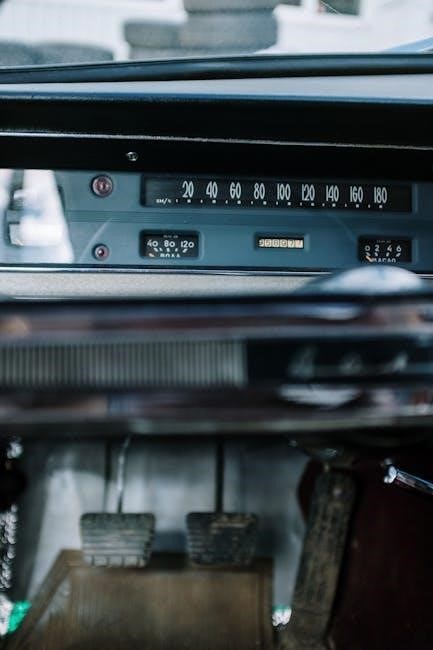
Seven-speed manual transmissions, despite their engineering sophistication, aren’t immune to potential problems. A frequently reported issue involves synchro wear, particularly in higher gears, leading to difficulty engaging those gears smoothly. This often manifests as grinding noises during shifts. Clutch wear is also a concern, as the increased number of gears can place greater demand on the clutch components, requiring earlier replacement compared to traditional six-speed setups.
Another potential issue centers around the shift linkage; precise adjustment is critical, and misalignment can result in imprecise or notchy shifts. Internal component failures, though less common, can occur, necessitating a complete transmission rebuild. Furthermore, proper fluid type and level are paramount; using the incorrect fluid can accelerate wear and damage internal parts. Regular inspections and proactive maintenance are key to mitigating these potential issues and ensuring the longevity of a seven-speed manual transmission.
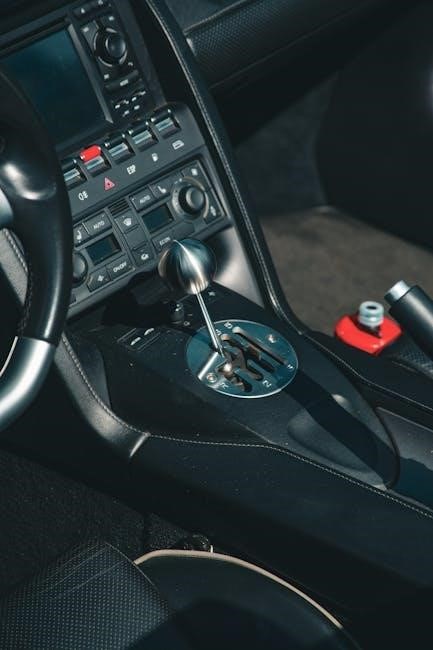
Maintenance Schedule and Best Practices
Maintaining a seven-speed manual transmission requires diligence to ensure optimal performance and longevity. Fluid changes are paramount, typically recommended every 30,000 to 60,000 miles, using the manufacturer-specified fluid. Regular inspections of the shift linkage are crucial, checking for wear or looseness and adjusting as needed to maintain precise shifting. Inspect the clutch disc and pressure plate during routine service, looking for signs of wear or damage.
Avoid aggressive shifting and “speed shifting” which can accelerate synchro wear. Proper warm-up before spirited driving is also essential. When storing a vehicle for extended periods, ensure the transmission is filled with fluid to prevent internal corrosion. Finally, address any unusual noises or shifting issues promptly; ignoring them can lead to more significant and costly repairs. Following these best practices will help preserve the driving pleasure of your seven-speed manual.
Finding Qualified Mechanics
Servicing a seven-speed manual transmission demands specialized knowledge, making mechanic selection critical. Not all shops possess the expertise to diagnose and repair these complex gearboxes effectively. Seek technicians with proven experience working on performance vehicles, particularly those familiar with Tremec transmissions – a common supplier for seven-speed setups.
Look for ASE Master Technicians or those holding specific transmission certifications. Online reviews and enthusiast forums can provide valuable insights into local shops’ reputations. Don’t hesitate to ask potential mechanics about their experience with similar transmissions and their diagnostic approach. A qualified mechanic will understand the nuances of synchro mesh, gear ratios, and clutch engagement specific to seven-speed manuals, ensuring accurate repairs and preventing further damage. Prioritize expertise over simply the lowest price.
The Future of 7-Speed Manual Transmissions
Seven-speed manuals face declining availability, yet enthusiast demand fuels preservation efforts, ensuring these engaging transmissions aren’t entirely lost to automotive history.
Decline in Availability

The prevalence of seven-speed manual transmissions is undeniably shrinking within the broader automotive landscape. Several factors contribute to this trend, primarily driven by industry shifts towards automatic transmissions, particularly dual-clutch systems, and the increasing complexity of modern vehicle manufacturing. Automakers are prioritizing fuel efficiency and ease of use, features often better achieved with automated gearboxes.
Furthermore, the development and production costs associated with manual transmissions, especially specialized ones like the seven-speed variant, are substantial. With lower consumer demand, manufacturers are less inclined to invest in these technologies. The rise of electric vehicles, which inherently don’t require multi-speed transmissions, also accelerates this decline. While a dedicated enthusiast base remains, their numbers aren’t sufficient to sustain widespread production of these engaging, yet increasingly rare, gearboxes.
Enthusiast Demand and Preservation
Despite the dwindling availability of seven-speed manual transmissions, a passionate community of automotive enthusiasts continues to champion their existence. This dedicated group values the heightened driver engagement, precise control, and visceral connection offered by a manual gearbox, particularly one with seven closely-spaced ratios. They actively seek out vehicles equipped with these transmissions, contributing to a sustained, albeit niche, demand.
Preservation efforts are also gaining momentum, with enthusiasts meticulously maintaining and restoring cars featuring seven-speed manuals. Online forums and communities facilitate the sharing of knowledge, parts, and expertise, ensuring these transmissions remain operational for future generations. This collective passion suggests that even as production ceases, the legacy of the seven-speed manual will endure through dedicated ownership and careful stewardship.