Tuxedo Size Guide: A Comprehensive Overview (Updated 02/11/2026)
Navigating the world of tuxedo sizing can be surprisingly complex, often resulting in ill-fitting garments – sleeves too short, legs too long, and an overall awkward silhouette.
Understanding Tuxedo Fit: The Foundation
A well-fitted tuxedo isn’t merely about the size on the label; it’s about how the garment conforms to your body’s unique shape. Picture a tuxedo – the ideal isn’t a boxy, oversized look, but a silhouette that accentuates your physique. Many men unfortunately end up with what’s been playfully termed a “monkey suit,” plagued by disproportionate lengths and excessive width;
The foundation of a great fit lies in understanding that tuxedos, unlike everyday suits, are designed to be more streamlined and precise. Achieving this requires a focus on key areas: the chest, shoulders, waist, sleeves, and jacket length. Each measurement plays a crucial role in creating a polished and sophisticated appearance. Ignoring these details can detract from the overall formality and elegance of the ensemble. Proper fit elevates the tuxedo from simple clothing to a statement of style.
The Importance of Accurate Measurements
Before even considering styles or fabrics, prioritizing accurate measurements is paramount. Relying on assumed sizes or previous suit purchases is a risky proposition, as tuxedo cuts often differ significantly. A precise understanding of your body’s dimensions ensures a far greater chance of securing a well-fitting garment, minimizing the need for costly and time-consuming alterations.
Don’t attempt self-measurement; enlist the help of a friend or, ideally, a professional tailor. They can accurately assess your chest, shoulders, waist, sleeve length, and trouser inseam. Remember, even slight discrepancies can impact the overall look and comfort. Accurate measurements are the bedrock of a successful tuxedo purchase, preventing the common pitfalls of ill-fitting proportions and ensuring a refined, sophisticated appearance.
Chest Measurement: Key to a Proper Fit
The chest measurement is arguably the most crucial element in achieving a proper tuxedo fit. Measured at the fullest part of your chest, keeping the tape measure level and comfortably snug – not tight – this dimension dictates the jacket’s overall structure. A jacket that’s too tight will restrict movement and appear strained, while one that’s too loose will lack definition and appear sloppy.
Ensure your shoulders are relaxed and your arms are at your sides during measurement. This prevents artificially inflating the reading. The chest measurement directly influences the jacket’s button stance and lapel drape; A well-fitted jacket should smoothly close without pulling or gaping, allowing for comfortable movement and a flattering silhouette. Prioritize accuracy here; it’s the foundation of a polished look.
Shoulder Measurement: Avoiding Restriction
Accurate shoulder measurement is paramount to avoid a restrictive and uncomfortable tuxedo fit. This isn’t simply the width of your shoulders, but the distance from the end of one shoulder (where a sleeve would attach) to the end of the other. Ensure the tape measure follows the natural curve of your shoulders, avoiding any hunching or slumping.
A properly fitted tuxedo allows for a full range of motion without pulling or binding across the back or shoulders. If the shoulder measurement is too small, it will constrict movement and create an unsightly appearance. Conversely, a shoulder that’s too large will cause the jacket to slide off your shoulders and appear ill-defined. Prioritize a comfortable, natural fit that doesn’t impede your posture or movement.
Waist Measurement: Defining the Silhouette

The waist measurement is crucial for defining the tuxedo’s silhouette and achieving a flattering fit. Measure your natural waistline – typically the narrowest part of your torso, usually about an inch above your belly button. Don’t suck in your stomach or expand your chest during measurement; maintain a relaxed, natural posture.
A well-fitted tuxedo jacket should gently taper at the waist, creating a streamlined appearance. If the waist is too large, the jacket will appear boxy and unflattering. A waist that’s too small will feel constricting and may cause the buttons to strain. Remember that tuxedo trousers are often worn with a waistcoat or cummerbund, which will influence how the waist fits. Consider this when determining your ideal size for a polished and sophisticated look.
Sleeve Length: The Crucial Detail
Sleeve length is arguably the most frequently flawed aspect of a tuxedo fit, often described as being “short in the sleeve.” To measure accurately, bend your arm at a 90-degree angle. The sleeve should extend to cover approximately half an inch of your shirt cuff. This subtle reveal of white shirt cuff is a hallmark of a properly fitted tuxedo.
Too much cuff showing appears sloppy, while too little suggests the jacket is too long. A skilled tailor can easily adjust sleeve length, making it a relatively straightforward alteration. Pay close attention to this detail, as it significantly impacts the overall impression of sophistication and refinement. Ignoring proper sleeve length can transform a potentially elegant tuxedo into something resembling a “monkey suit,” as some critics playfully describe a poorly fitted garment.
Jacket Length: Achieving Proportion
Determining the correct jacket length is vital for a balanced and flattering silhouette. A general rule is that the jacket should cover your seat – ideally reaching around the midpoint. However, this can vary based on your body type and the tuxedo’s style. Shorter jackets can work well for slimmer builds, while taller individuals may require a longer length to maintain proportion.
Avoid jackets that are excessively long, as they can appear dated and cumbersome. Conversely, a jacket that’s too short will look awkward and disproportionate. When standing naturally, you should be able to comfortably close the jacket without feeling restricted or strained. A tailor can expertly adjust the jacket length to ensure a perfect fit, contributing significantly to the overall elegance of the tuxedo. Remember, achieving the right proportion is key.
Trouser Inseam: Length and Break Explained
Tuxedo trouser length is defined by the “break” – the amount of fabric that creases over the shoe. A slight break is the most traditional and universally flattering option, creating a subtle, clean line. It allows for comfortable movement while maintaining a polished appearance. A medium break offers a more noticeable crease, suitable for those who prefer a more relaxed look.
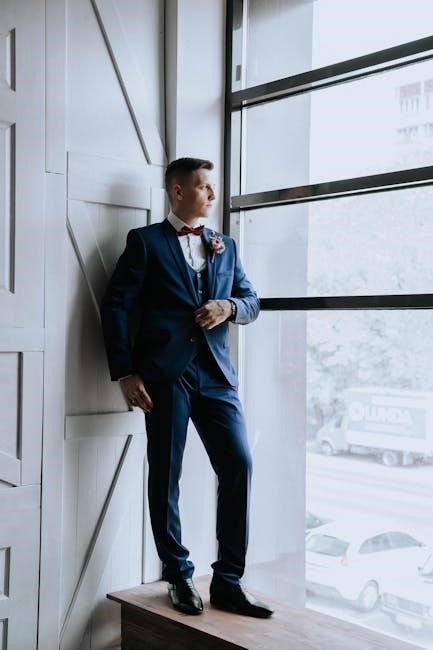
Avoid a “no break” style with tuxedos, as it can appear too casual. Conversely, an excessive break looks sloppy and detracts from the formality. When measuring inseam, wear the shoes you intend to wear with the tuxedo. A tailor can expertly adjust the length to achieve the desired break, ensuring the trousers drape elegantly and complement the overall silhouette. Proper trouser length is crucial for a refined aesthetic.
Trouser Waist: Comfort and Style
The tuxedo trouser waist should sit comfortably on your natural waistline – generally, just below the navel. Avoid wearing trousers too high or too low, as this can disrupt the proportions of the outfit and create an unflattering silhouette. A proper fit allows for ease of movement and prevents discomfort during extended wear.
Tuxedo trousers often feature side adjusters, offering a degree of flexibility. However, for the best fit, consider having them tailored. A tailor can ensure the waist is perfectly aligned with your body shape, creating a smooth and streamlined appearance. Remember, comfort is paramount, but style shouldn’t be sacrificed. A well-fitted waist enhances the overall elegance of the tuxedo.

Decoding Tuxedo Size Charts
Understanding tuxedo size charts requires recognizing variations between standard, slim fit, and international sizing systems; accurate conversion is crucial for a perfect fit.
Standard vs. Slim Fit: What’s the Difference?
The fundamental distinction between standard and slim-fit tuxedos lies in their cut and silhouette. Standard fit, often considered the classic approach, provides a more relaxed and comfortable feel, offering ample room through the chest, waist, and hips. This style is generally forgiving and suits a broader range of body types, prioritizing ease of movement. However, it can sometimes appear boxy if not properly tailored.
Conversely, slim-fit tuxedos are designed with a more modern and tailored aesthetic. They feature a closer cut through the body, hugging the natural contours and creating a sleeker, more defined silhouette. This style typically requires a more athletic or slender build to avoid appearing overly tight or restrictive. Slim-fit tuxedos often emphasize the shoulders and waist, offering a sophisticated and contemporary look. Choosing between the two depends heavily on personal preference, body type, and the desired level of formality.
Consider that alterations can bridge the gap; a standard-fit tuxedo can be tailored for a slimmer appearance, while a slim-fit can be adjusted for greater comfort.
American vs. European Sizing: Conversion Guide
Navigating international sizing can be tricky when purchasing a tuxedo. American and European sizing systems differ significantly, leading to potential confusion. Generally, American sizes run larger than their European counterparts. A typical conversion suggests adding approximately 8-10 inches to your American chest size to find the equivalent European size.
For instance, a 40-inch American chest often corresponds to a European size 50 or 52. However, this is a general guideline, and variations exist between brands. Waist measurements also differ; an American 34-inch waist might translate to a European 86cm or 88cm. It’s crucial to consult the specific brand’s size chart before making a purchase.
Always prioritize measurements over relying solely on size labels. A detailed size chart, providing conversions for chest, waist, and inseam, is invaluable. When in doubt, it’s safer to order a slightly larger size and have it tailored for a perfect fit, ensuring a polished and sophisticated appearance.
Understanding Size Ranges: Finding Your Match
Tuxedo size ranges typically begin around size 36 (American) and extend to size 60 or even larger, catering to a diverse range of body types. Standard sizes usually increment in two-inch intervals for chest and waist measurements. However, many retailers now offer “short,” “long,” and “extra-long” options to accommodate varying heights and builds.
Identifying your correct size starts with accurate self-measurement – chest, waist, shoulder, sleeve length, and inseam are all critical. Don’t assume your usual suit size will translate directly to a tuxedo; always remeasure. Once you have your measurements, consult the specific retailer’s size chart, as variations exist between brands.
If your measurements fall between sizes, it’s generally advisable to size up and have the tuxedo tailored for a precise fit. A well-fitted tuxedo enhances your appearance and ensures comfort, making it a worthwhile investment.
Common Sizing Issues and How to Address Them
Frequently, individuals encounter issues with sleeve length – often too short, creating a cramped appearance. This is a common alteration, easily remedied by a skilled tailor. Another prevalent problem is a jacket waist that’s too loose or tight, hindering the desired silhouette. Similarly, trouser length often requires adjustment, with the “break” (the fold of fabric above the shoe) being a matter of personal preference.
Shoulder fit is crucial; a too-tight jacket restricts movement, while a too-loose one appears sloppy. This is a more complex alteration, so careful initial sizing is vital. Discrepancies in chest measurement can lead to button strain or a generally ill-fitting jacket.
Addressing these issues requires professional tailoring. Don’t attempt significant alterations yourself; a qualified tailor will ensure a polished and flattering fit, transforming a potentially awkward tuxedo into a sophisticated ensemble.
Specific Tuxedo Styles and Their Fit
Different tuxedo styles—single-breasted, double-breasted, shawl collar—demand nuanced fitting considerations, impacting how measurements translate to a flattering and comfortable final look.
Single-Breasted Tuxedos: Classic and Versatile
The single-breasted tuxedo remains a timeless and incredibly versatile choice, suitable for a wide range of formal events. Its classic design typically features one column of buttons, often concealed by a facing, creating a clean and streamlined appearance. When assessing the fit of a single-breasted tuxedo, focus on the shoulder fit – it should lie flat and comfortably without any bunching or pulling.
The jacket’s closure should button without strain, allowing for a natural range of motion. Pay close attention to the lapels; they should sit smoothly against your chest and shoulders. A well-fitted single-breasted tuxedo will accentuate the natural V-shape of your torso. Regarding trousers, ensure a comfortable yet tailored fit through the seat and thighs, avoiding excessive tightness or looseness. The break – the amount of fabric that rests on your shoes – is a matter of personal preference, ranging from a slight to a medium break.
Double-Breasted Tuxedos: A More Formal Look
A double-breasted tuxedo exudes a heightened sense of formality and sophistication, traditionally reserved for black-tie events. Characterized by overlapping front panels and two columns of buttons (typically six, though only one or two are functional), achieving the correct fit is paramount. The key is to ensure the jacket creates a defined waistline without feeling constricting.
Shoulder fit remains crucial, mirroring the importance in single-breasted styles – a smooth, flat lay is essential. The lapels should be broad and commanding, framing the chest effectively. Unlike single-breasted styles, double-breasted tuxedos often require more attention to the overall silhouette; it should appear balanced and proportionate. Trousers should maintain a classic, straight leg cut, paired with a moderate break. Proper tailoring is vital to avoid a boxy or overly bulky appearance, ensuring a refined and elegant aesthetic.
Peak Lapel vs. Notch Lapel: Impact on Fit
The choice between peak and notch lapels significantly influences a tuxedo’s overall appearance and perceived fit. Peak lapels, angled upwards towards the shoulders, create a broader, more imposing chest, lending a distinctly formal and confident air. They generally suit broader-shouldered individuals, enhancing their physique. A well-fitted peak lapel tuxedo draws the eye upwards, elongating the torso.

Notch lapels, featuring a distinct “notch” where the lapel meets the collar, offer a more understated and versatile look. They are generally considered less formal than peak lapels and can complement a wider range of body types. However, ensuring a precise fit is even more critical with notch lapels, as they can appear less flattering if the jacket doesn’t lie perfectly. Both styles require attention to shoulder fit and overall balance, but peak lapels inherently demand a more structured and tailored silhouette.
Shawl Collar Tuxedos: For Black Tie Events
Shawl collar tuxedos represent the pinnacle of formal wear, traditionally reserved for black-tie events. Their continuous, rounded collar creates a sleek, unbroken line, exuding sophistication and elegance. Achieving a proper fit with a shawl collar is paramount, as the collar’s curve must sit smoothly against the neck without gapping or constricting.
Because of their inherently formal nature, shawl collar tuxedos demand meticulous tailoring. Shoulder fit is especially crucial, as the collar’s drape relies on a well-structured jacket. Sleeve length and jacket length are also critical; a slightly shorter jacket length can enhance the shawl collar’s visual impact. These tuxedos often feature a one-button closure, further emphasizing the clean lines. A perfectly fitted shawl collar tuxedo elevates the wearer’s presence, embodying timeless style and refined taste.

Adjustments and Alterations
Off-the-rack tuxedos rarely offer a perfect fit, making alterations essential for a polished look. Expect to adjust sleeves, the waist, and trouser length for optimal comfort and style.
Why Alterations are Essential
A tuxedo, unlike many other garments, demands a precise fit to truly elevate its appearance. Simply purchasing the closest size available often leads to a disappointing and less-than-formal result. Alterations transform a standard tuxedo into a personalized statement of style and sophistication. The goal isn’t just about making the tuxedo fit; it’s about achieving a silhouette that complements your body shape and enhances your overall presence.
Consider the details: a jacket that’s too long overwhelms your frame, while sleeves that are too short appear sloppy. A waist that doesn’t cinch properly loses the tuxedo’s defined shape. Trousers with an incorrect break can look unbalanced. These seemingly minor imperfections detract significantly from the overall impression. A skilled tailor understands these nuances and can make the necessary adjustments to ensure a flawless fit. Investing in alterations is, therefore, not an expense, but rather an investment in the overall quality and impact of your tuxedo.
Common Alterations: Sleeves, Waist, and Trousers
Typically, sleeve length is the most frequently required alteration. A properly fitted tuxedo jacket should reveal approximately half an inch of shirt cuff. Lengthening or shortening the sleeves ensures this crucial detail is correct, contributing significantly to a polished look. Waist adjustments are also common, particularly for achieving a flattering silhouette; taking in the sides creates a more defined shape.
Trouser alterations often involve adjusting the length to achieve the desired “break” – the slight crease where the trouser leg meets the shoe. A slight break is traditional, while a no-break style offers a more modern aesthetic. Adjusting the trouser waist for comfort and a secure fit is also essential. Don’t underestimate the impact of these seemingly small changes; they collectively transform a good-fitting tuxedo into a truly exceptional one. A skilled tailor will expertly handle these adjustments.
Finding a Reputable Tailor
Securing a skilled tailor is paramount for achieving a perfectly fitted tuxedo. Seek recommendations from friends, family, or menswear retailers known for quality alterations. Online reviews can also provide valuable insights, but prioritize those with detailed feedback regarding tuxedo adjustments specifically. A reputable tailor will possess extensive experience with formal wear and demonstrate a keen eye for detail.
During your initial consultation, discuss your desired fit and any specific concerns you have. A good tailor will listen attentively, offer expert advice, and clearly explain the alteration process. Observe the tailor’s workspace; a clean, organized environment suggests professionalism. Don’t hesitate to ask about their pricing structure and turnaround time. Trust your instincts – choose a tailor you feel comfortable with and confident in their abilities to deliver exceptional results.
Cost of Alterations: What to Expect
Alteration costs for a tuxedo can vary significantly based on the complexity of the adjustments and the tailor’s location and expertise. Simple alterations, such as sleeve shortening or trouser hemming, typically range from $30 to $75 per adjustment. More involved alterations, like waist adjustments to the jacket or reshaping the shoulders, can cost between $75 and $150 or more.
Expect to pay a premium for rush services. It’s wise to inquire about a comprehensive quote before authorizing any work, detailing the cost of each alteration. Remember that quality tailoring is an investment; while it may seem expensive upfront, a well-fitted tuxedo will elevate your appearance and ensure lasting confidence. Factor alteration costs into your overall tuxedo budget to avoid unwelcome surprises.
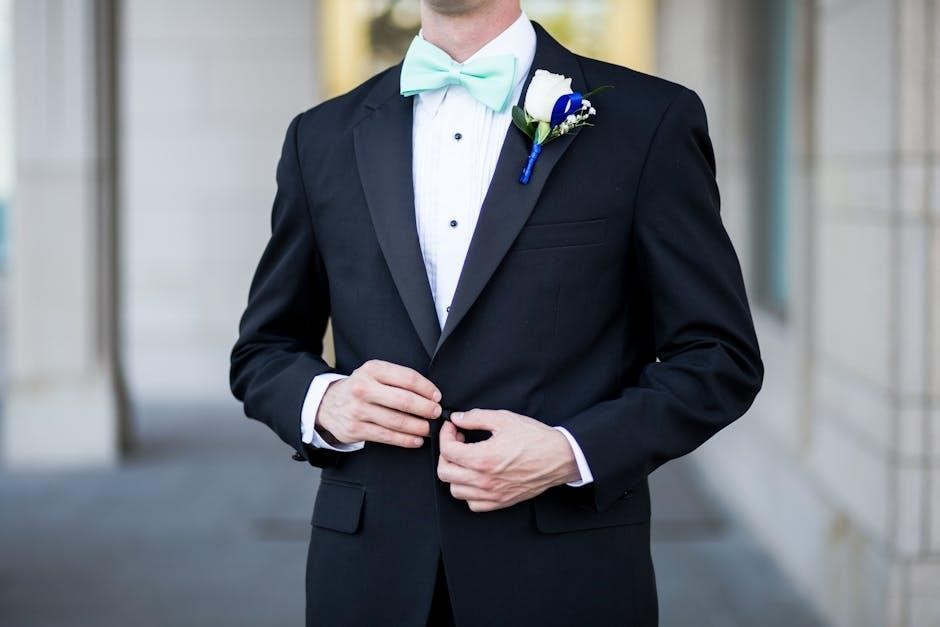
Beyond the Basics: Additional Considerations
Consider your body type and the fabric’s influence on fit; heavier fabrics may require a slightly looser cut for optimal comfort and a polished appearance.
Body Type and Tuxedo Fit
Understanding how your body type interacts with tuxedo tailoring is crucial for achieving a flattering fit. For athletic builds, a slim-fit tuxedo with structured shoulders can accentuate your physique without appearing restrictive. However, avoid overly tight fits that hinder movement. Larger builds benefit from classic-fit tuxedos, offering more room and comfort without sacrificing style; consider a single-breasted style to create a streamlined silhouette;
Men with broader shoulders may require a tuxedo with extended shoulder measurements to prevent pulling or discomfort. Conversely, those with narrower shoulders might benefit from padding to create a more balanced proportion. Taller individuals should prioritize jacket length and trouser inseam, ensuring a proportionate and elegant look. Shorter men should avoid overly long jackets or trousers that can overwhelm their frame. Ultimately, a well-fitted tuxedo complements your body type, enhancing your confidence and overall appearance.
Fabric and its Influence on Fit
The fabric composition of a tuxedo significantly impacts its fit and drape. Traditional wool fabrics, like worsted wool, offer a structured fit with excellent shape retention, ideal for classic styles. However, wool can have less stretch. Tuxedos with a blend of wool and synthetic fibers, such as polyester or elastane, provide increased comfort and flexibility, accommodating a wider range of body types.
Velvet tuxedos, popular for their luxurious appearance, often require a slightly looser fit due to the fabric’s inherent bulk. Lighter-weight fabrics, like silk or linen blends, are best suited for warmer climates and may require more precise tailoring to maintain their shape. Consider the fabric’s weight and texture when selecting a size; heavier fabrics may feel more restrictive, while lighter fabrics may require adjustments to prevent wrinkling or sagging. Proper fabric consideration ensures both comfort and a polished aesthetic.